
Latest News & Tips
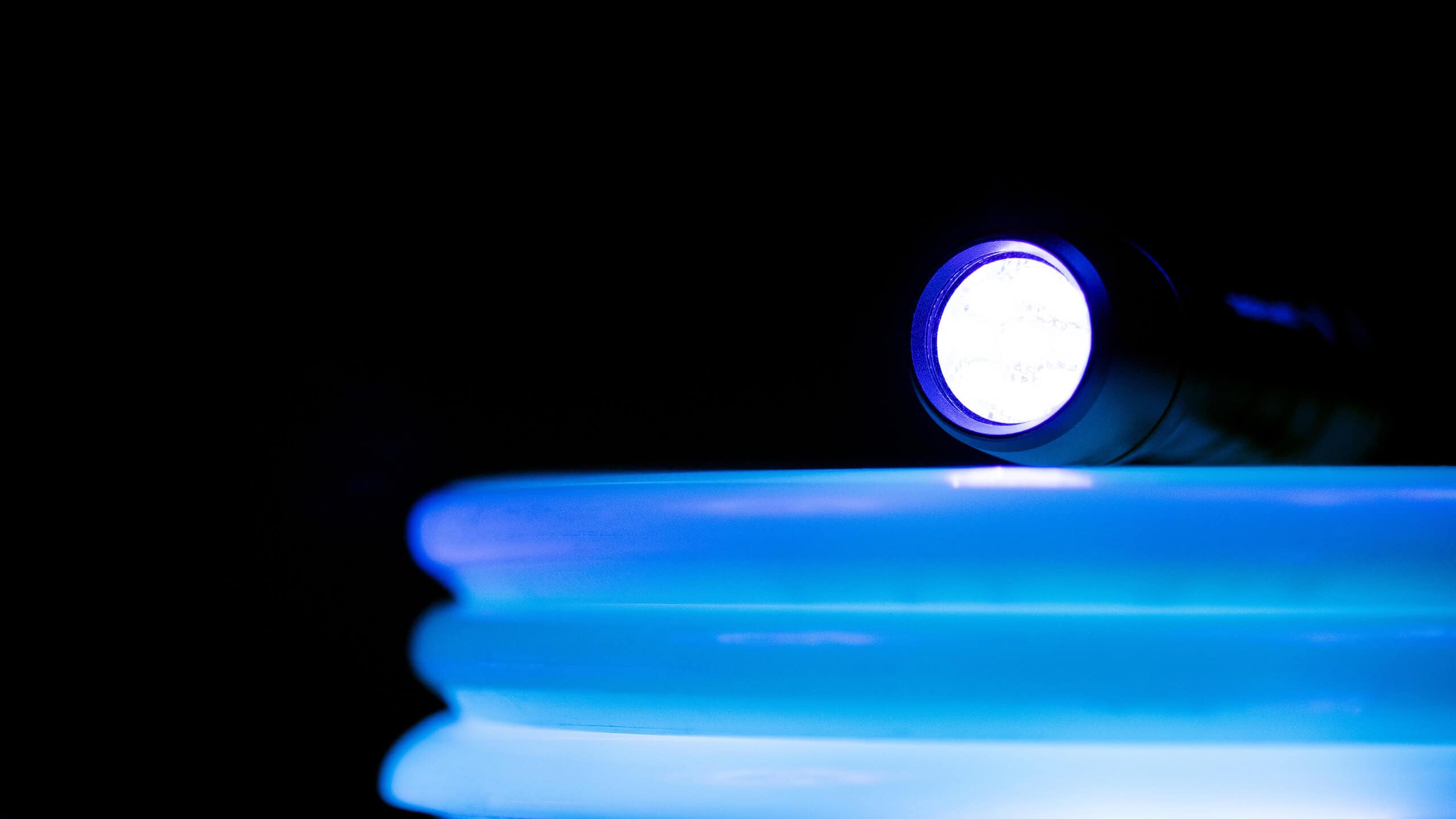
How Does UV Exposure Affect Silicone Rubber Products?
UV exposure can gradually damage many rubber materials, but silicone rubber is generally valued for its strong resistance to sunlight, ozone and weathering. This makes it a common choice for seals, strips, gaskets and other components that may spend long periods outdoors or close to sources of ultraviolet radiation. The...
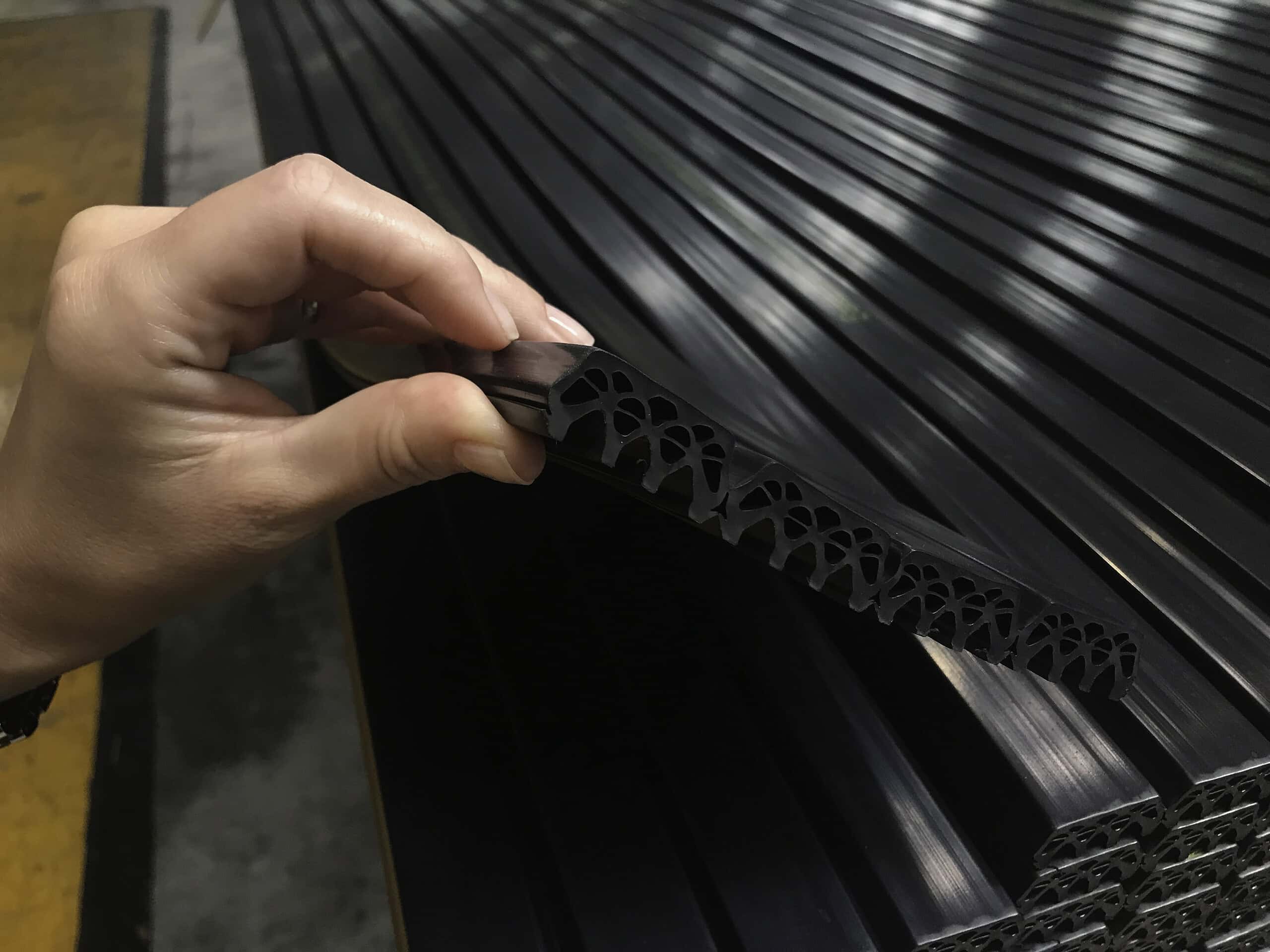
How Do Custom Silicone Extrusions Support OEM Manufacturing?
Custom silicone extrusions support OEM manufacturing by allowing rubber components to be designed around the precise geometry, operating conditions and assembly requirements of a finished product. For original equipment manufacturers, this can be more effective than adapting a standard seal, strip or tube to fit an application it was never...
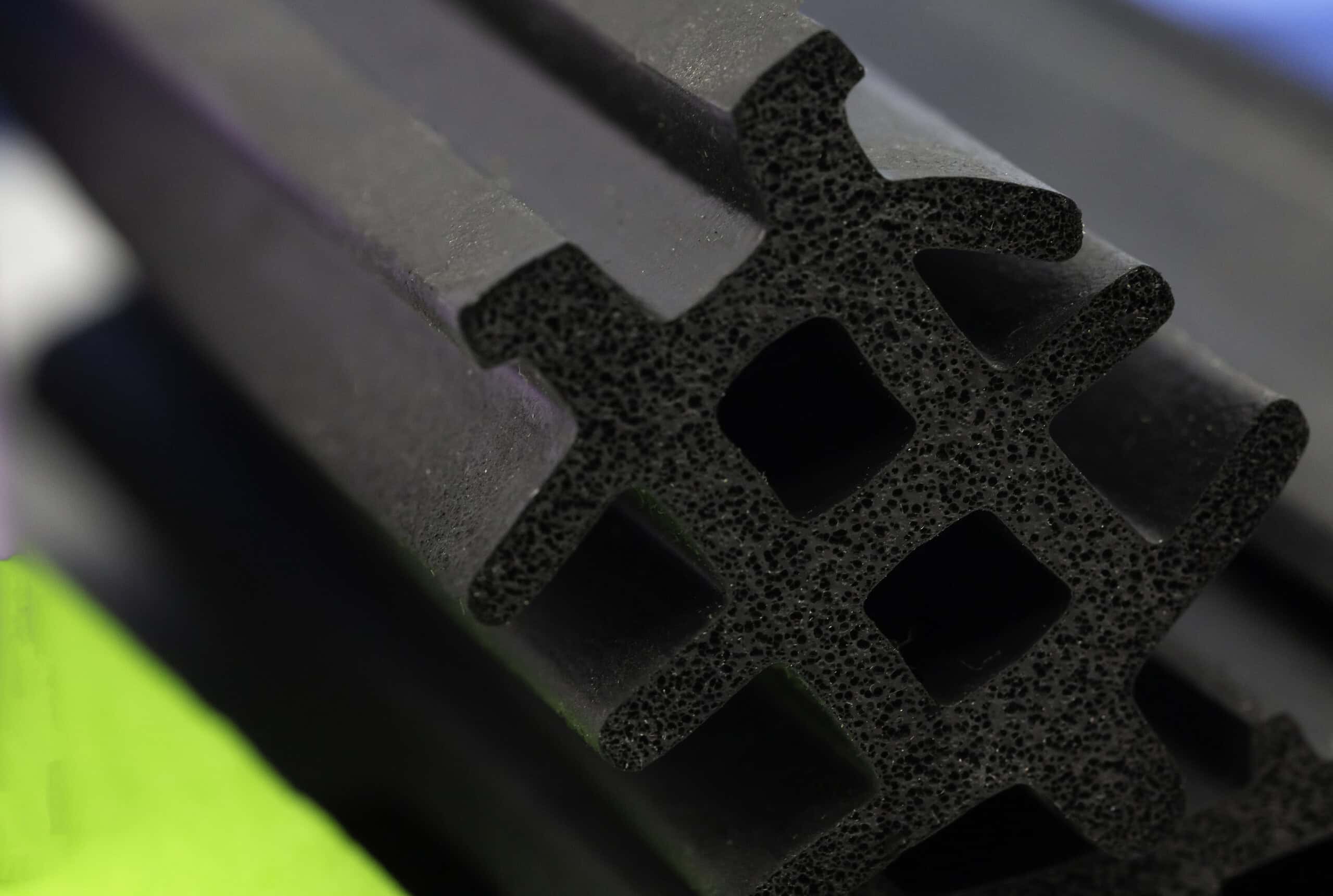
What Tolerances Are Achievable With Silicone Rubber Extrusions?
Silicone rubber extrusion tolerances depend on the size and shape of the profile, the silicone compound, the manufacturing process and which dimensions are critical to the finished component. Unlike machined metal or rigid plastic parts, flexible silicone extrusions naturally undergo dimensional changes as they leave the extrusion die and pass...
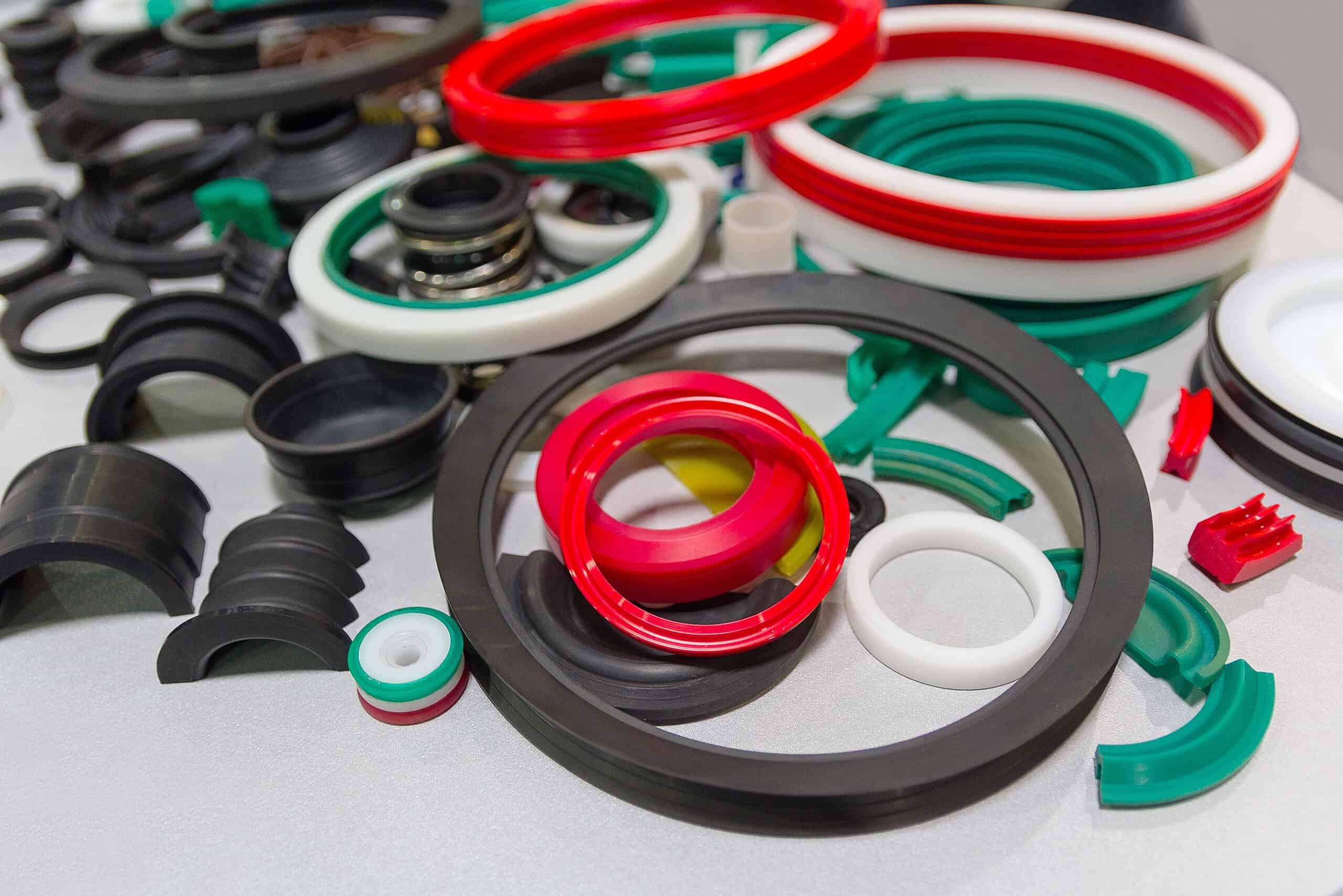
What Are the Benefits of Silicone O Rings Compared to Nitrile?
Silicone O rings offer several advantages over nitrile in applications where temperature resistance, long-term flexibility and resistance to environmental ageing are important. Both materials are widely used for sealing, but they perform differently depending on the conditions in which they are expected to operate. For engineers and procurement teams, choosing...
Why Is Silicone Rubber Preferred for High Temperature Environments?
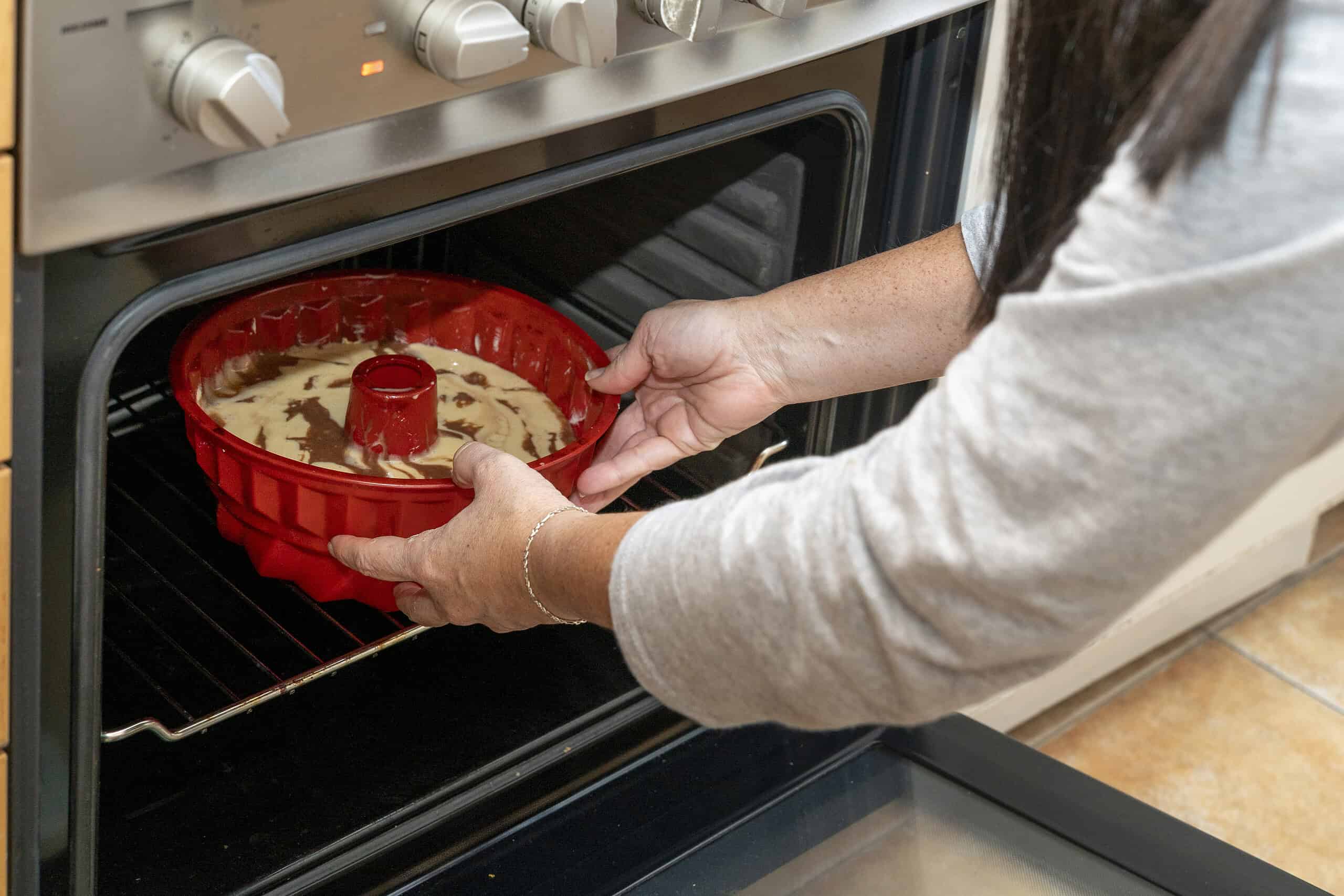
Silicone rubber is preferred for high temperature environments because it can retain useful levels of flexibility, resilience and dimensional stability in conditions where many conventional elastomers may begin to harden, soften or deteriorate. For engineers, manufacturers and procurement teams, temperature resistance is rarely the only consideration. A component may also...
What Are the Key Differences Between Silicone and PVC Tubing?
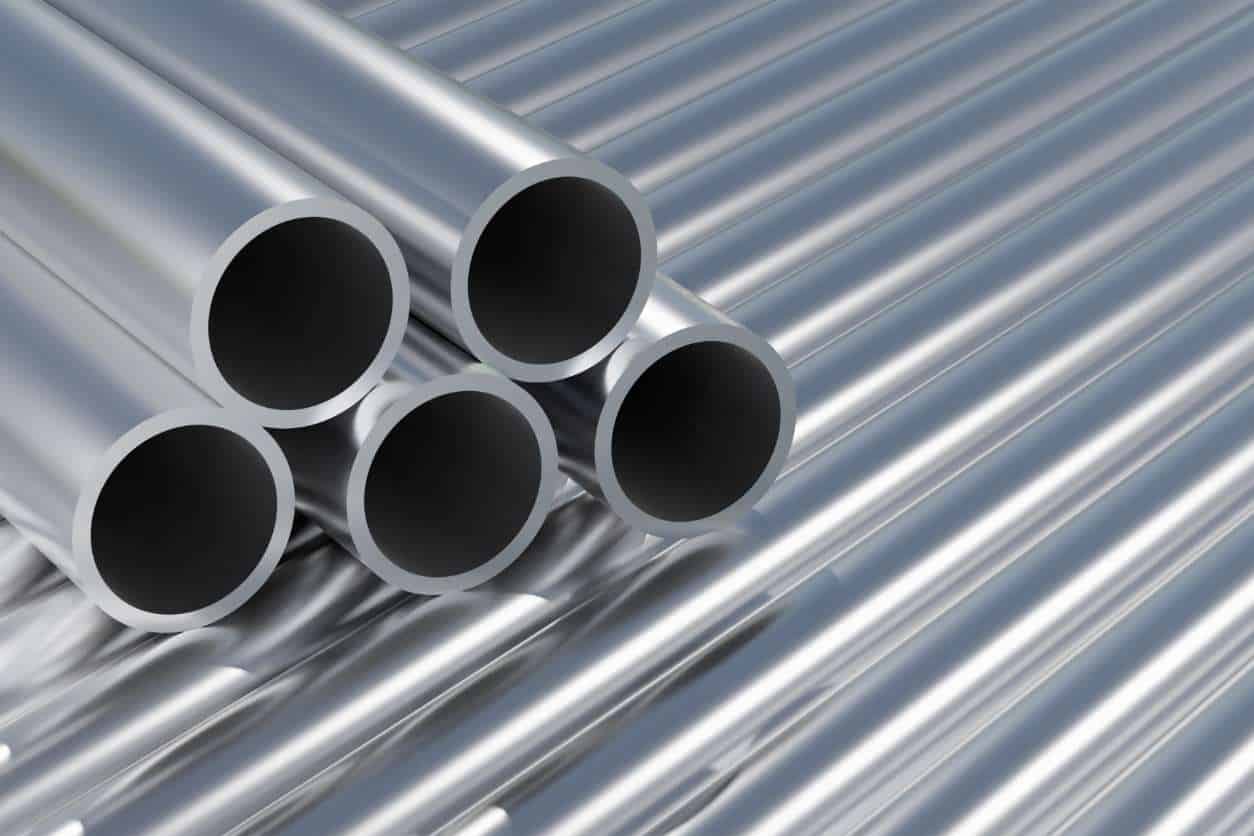
The key differences between silicone and PVC tubing relate to temperature resistance, flexibility, material composition, chemical compatibility, durability and intended use. Silicone tubing is often selected where flexibility, temperature stability and a clean material profile are important. PVC tubing is commonly chosen for general fluid transfer where cost, transparency and...
What Should You Consider When Choosing Silicone Gasket Thickness?
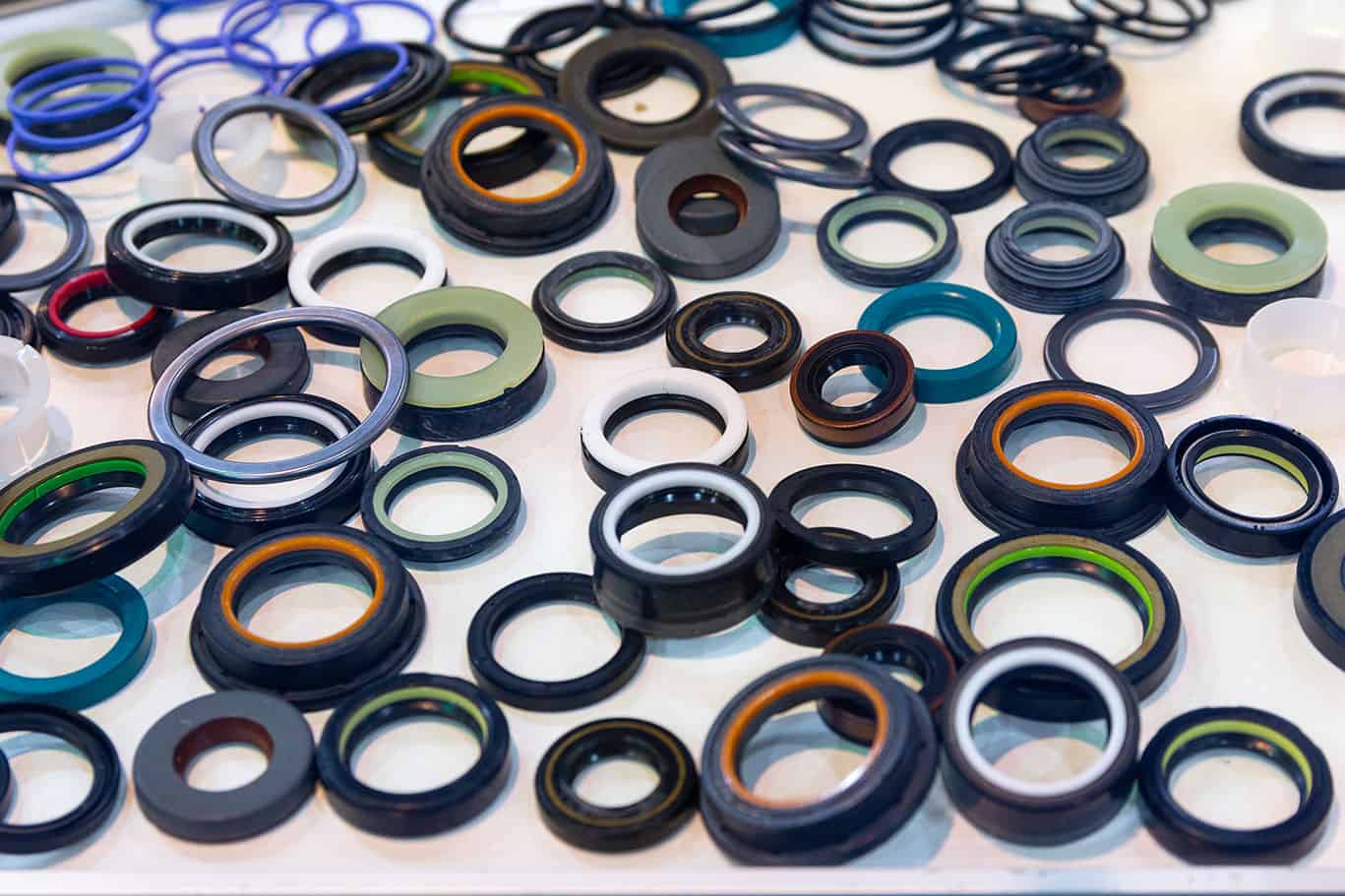
Choosing the correct silicone gasket thickness requires more than measuring the visible gap between two surfaces. The gasket must compress sufficiently to form a seal, accommodate surface variation and remain stable under the expected load, temperature and operating conditions. A gasket that is too thin may not make consistent contact...
What Causes Silicone Rubber Seals to Fail Prematurely?
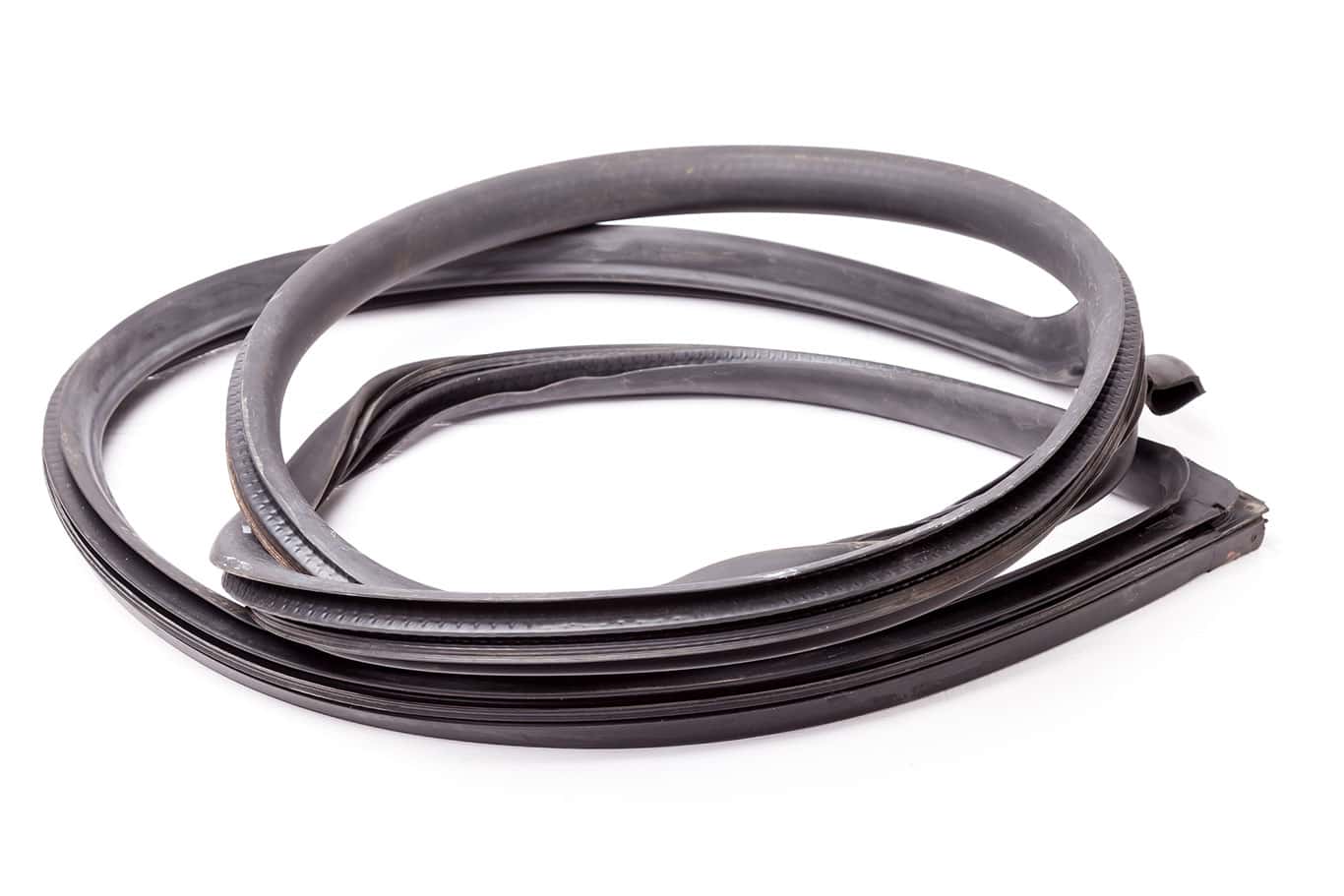
Silicone rubber seals can fail prematurely when their material, dimensions or installation do not match the conditions of the application. Common causes include excessive compression, insufficient compression, chemical incompatibility, heat exposure beyond the material’s limits, poor fitting, mechanical damage and irregular maintenance. A seal can also fail because of problems...
How Are Silicone Rubber Seals Tested for Durability?
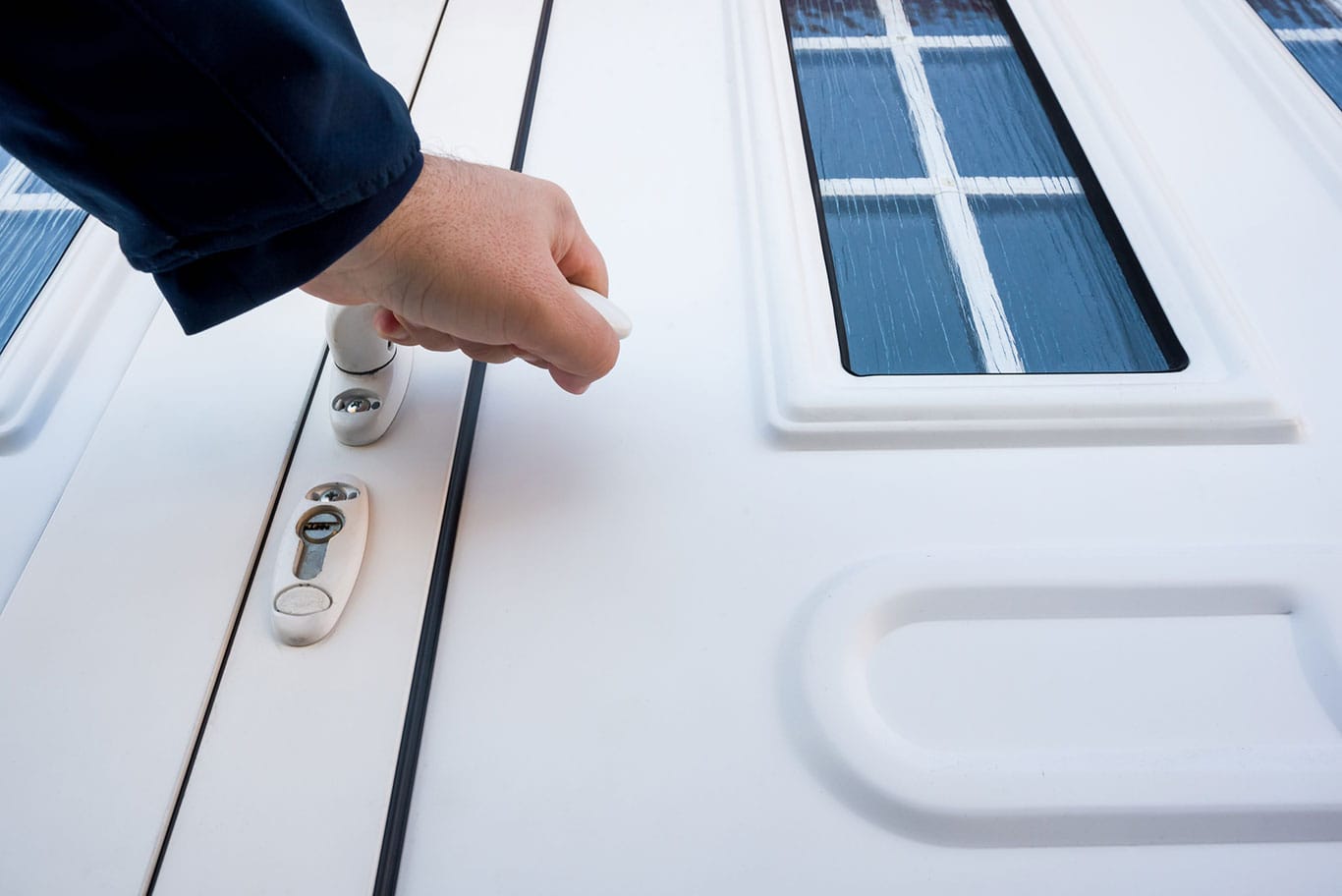
Silicone rubber seals are tested for durability by measuring how well they retain their shape, flexibility, strength and sealing performance after exposure to compression, temperature changes, repeated movement, weathering and contact with relevant substances. There is no single test that can prove a seal will perform reliably in every application....
GET IN TOUCH
ADDRESS
Unit 4 Minster Court, Courtwick Lane, Wick Littlehampton, West Sussex
BN17 7RN