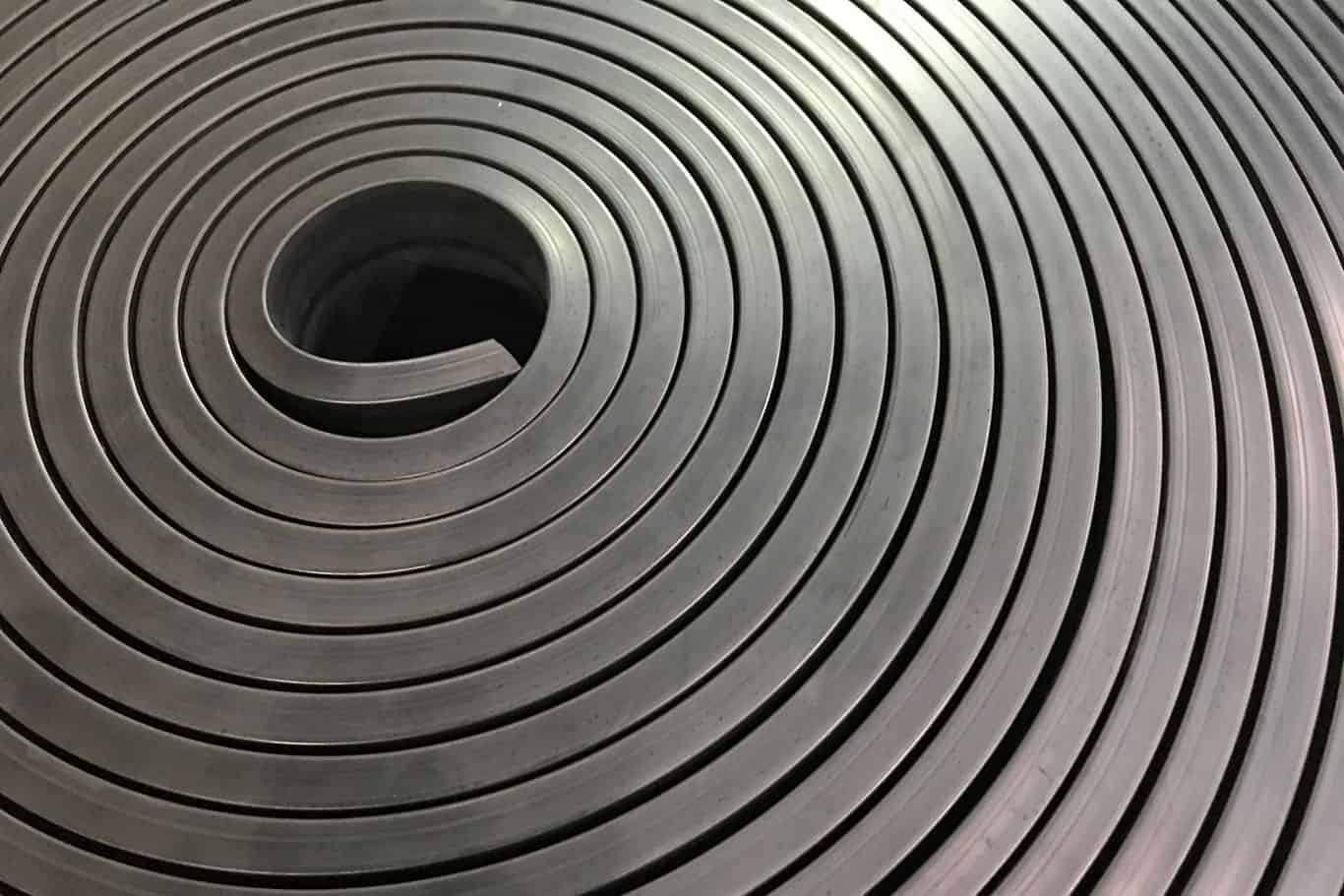
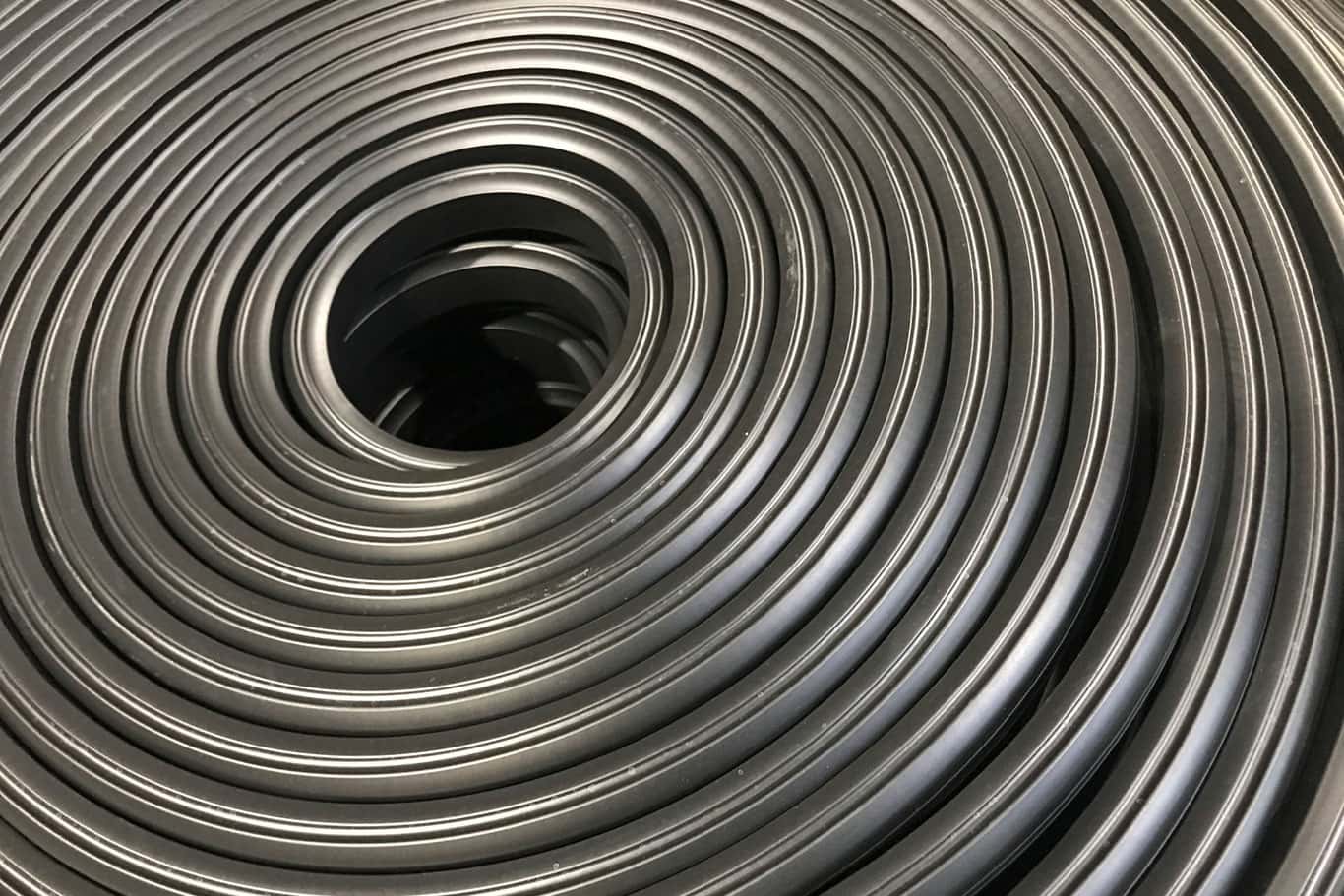
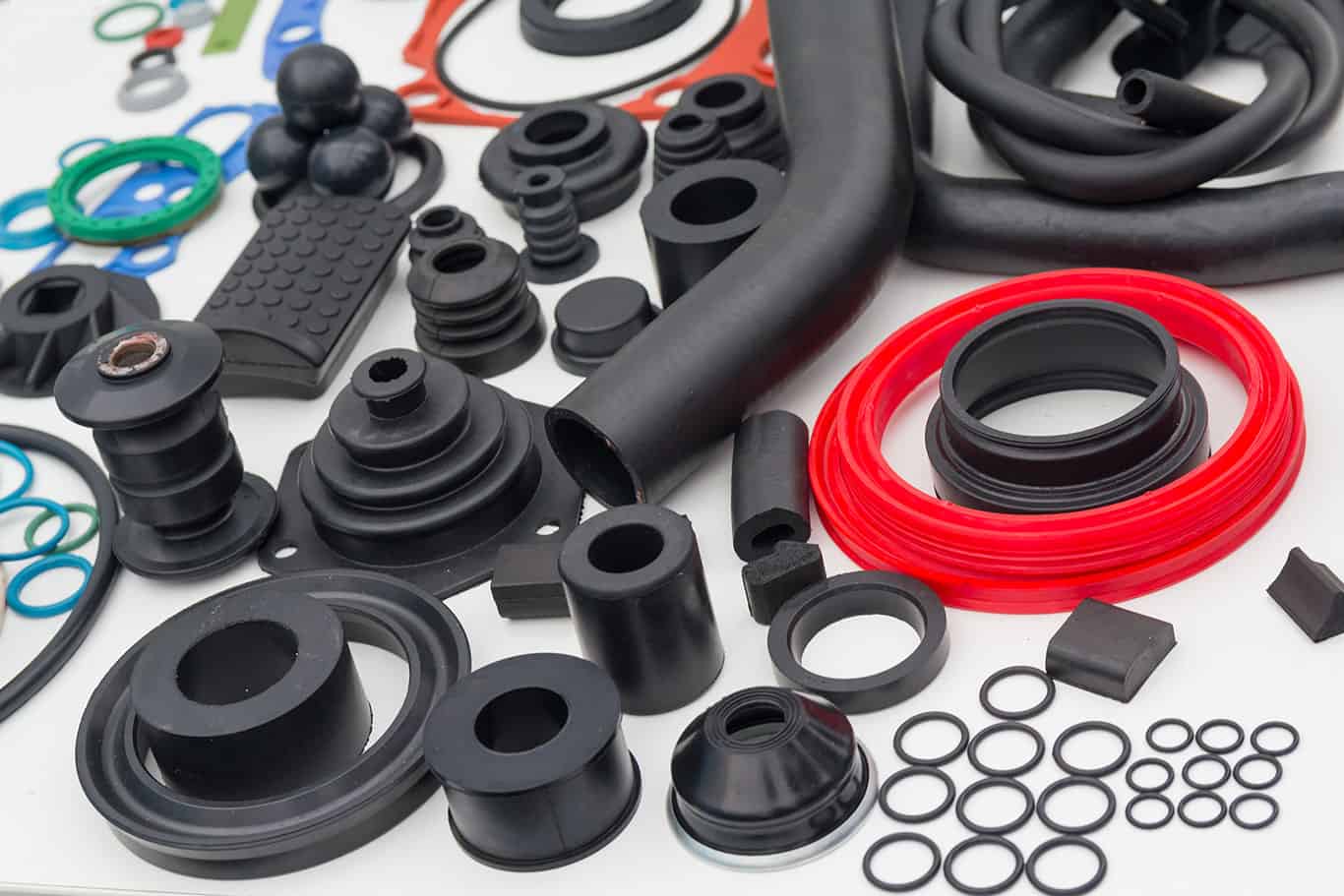
Rubber EPDM: Properties, Grades and Industrial Applications
Introduction
Rubber EPDM is one of the most widely specified synthetic elastomers used across UK construction, engineering and manufacturing sectors. Known for its resilience in challenging environments, rubber EPDM provides long-lasting sealing performance where exposure to weather, heat and moisture is unavoidable.
Understanding how rubber EPDM behaves, what grades are available and where it is typically used helps designers, architects and procurement teams select the right material for reliable, cost-effective solutions.
What Is EPDM?
Rubber EPDM (ethylene propylene diene monomer) is a synthetic rubber developed to provide outstanding resistance to environmental degradation. According to EPDM rubber, the material maintains flexibility and durability even when exposed to UV radiation, ozone and extreme temperatures.
In practical applications, rubber EPDM is used where consistent sealing performance and long service life are essential.
Key Properties of EPDM
Environmental Resistance
A defining advantage of rubber EPDM is its ability to perform reliably outdoors. The material resists cracking, hardening and degradation caused by sunlight, rain and frost.
This makes it particularly suitable for architectural sealing, roofing systems and external glazing installations across the UK.
Flexibility and Compression Performance
Rubber EPDM maintains elasticity over time, allowing it to accommodate movement between components. This is critical in applications where expansion and contraction occur due to temperature variation.
Durability and Longevity
Because it resists ageing and moisture exposure, EPDM components often deliver extended service life compared with alternative materials, reducing maintenance requirements and lifecycle costs.
Common Applications for Rubber EPDM
Understanding typical uses helps illustrate why EPDM is specified across multiple industries.
Building and Construction
Rubber EPDM is commonly used in:
- Window and door sealing systems
- Glazing channels and weatherproof profiles
- Roofing membranes and expansion joints
These applications benefit from the material’s resistance to environmental stress.
Industrial and Engineering Environments
Beyond construction, EPDM is widely used in machinery, equipment housings and protective sealing components. Its stability in demanding environments supports consistent operational performance.
For organisations requiring precision extrusions or bespoke EPDM rubber profiles, specialist manufacturers such as Silco Products can assist with design, specification and production.
EPDM vs Other Elastomers
While many elastomers offer flexibility, EPDM stands out for its balance of durability, weather resistance and cost efficiency.
Comparison with Silicone Rubber
Silicone rubber provides excellent performance at extreme temperatures, but EPDM is often preferred for external sealing applications where UV exposure and moisture resistance are the primary concerns.
Selecting the Right Material for the Application
Material selection should consider operating conditions, environmental exposure and required lifespan. In many architectural and outdoor settings, EPDM offers an effective and economical solution.
Manufacturing Rubber Profiles and Extrusions
Producing reliable EPDM components requires precision manufacturing processes. Extrusion techniques allow manufacturers to create consistent profiles that maintain dimensional accuracy and sealing performance.
Quality Considerations
- Correct material formulation
- Consistent hardness and elasticity
- Accurate profile tolerances
Working with an experienced supplier ensures the finished product meets both performance and compliance requirements.
Frequently Asked Questions
Q1: What is EPDM commonly used for?
A1: EPDM is widely used in roofing, glazing, weatherproof seals, gaskets and industrial components.
Q2: Is EPDM suitable for outdoor applications?
A2: Yes, EPDM is specifically designed to resist UV, ozone and moisture, making it ideal for external environments.
Q3: How does rubber EPDM compare with other rubber materials?
A3: EPDM offers excellent weather resistance and durability, while other materials may be chosen for specialised temperature or chemical requirements.
Selecting high-quality materials is essential for long-term reliability in sealing and extrusion applications. For expert technical advice and bespoke EPDM rubber solutions, contact Silco Products today.
Phone: 01903 732088
Email: sales@silcoproducts.co.uk
Find out more: https://siliconerubberproducts.co.uk/
FURTHER READING