What is the difference between silicone sponge and foam rubber?
Silicone sponge and foam rubber are both widely used in sealing, insulation and cushioning applications, but they are not the same material. Although the terms are sometimes used interchangeably, there are important differences in structure, performance and application suitability.
For engineers, buyers and manufacturers, understanding these differences is essential when specifying materials for industrial environments. Choosing the wrong material can affect durability, compression performance, thermal resistance and long-term reliability.
The best choice often depends on the operating environment, required flexibility, sealing performance and exposure to heat, moisture or chemicals.
What is silicone sponge rubber?
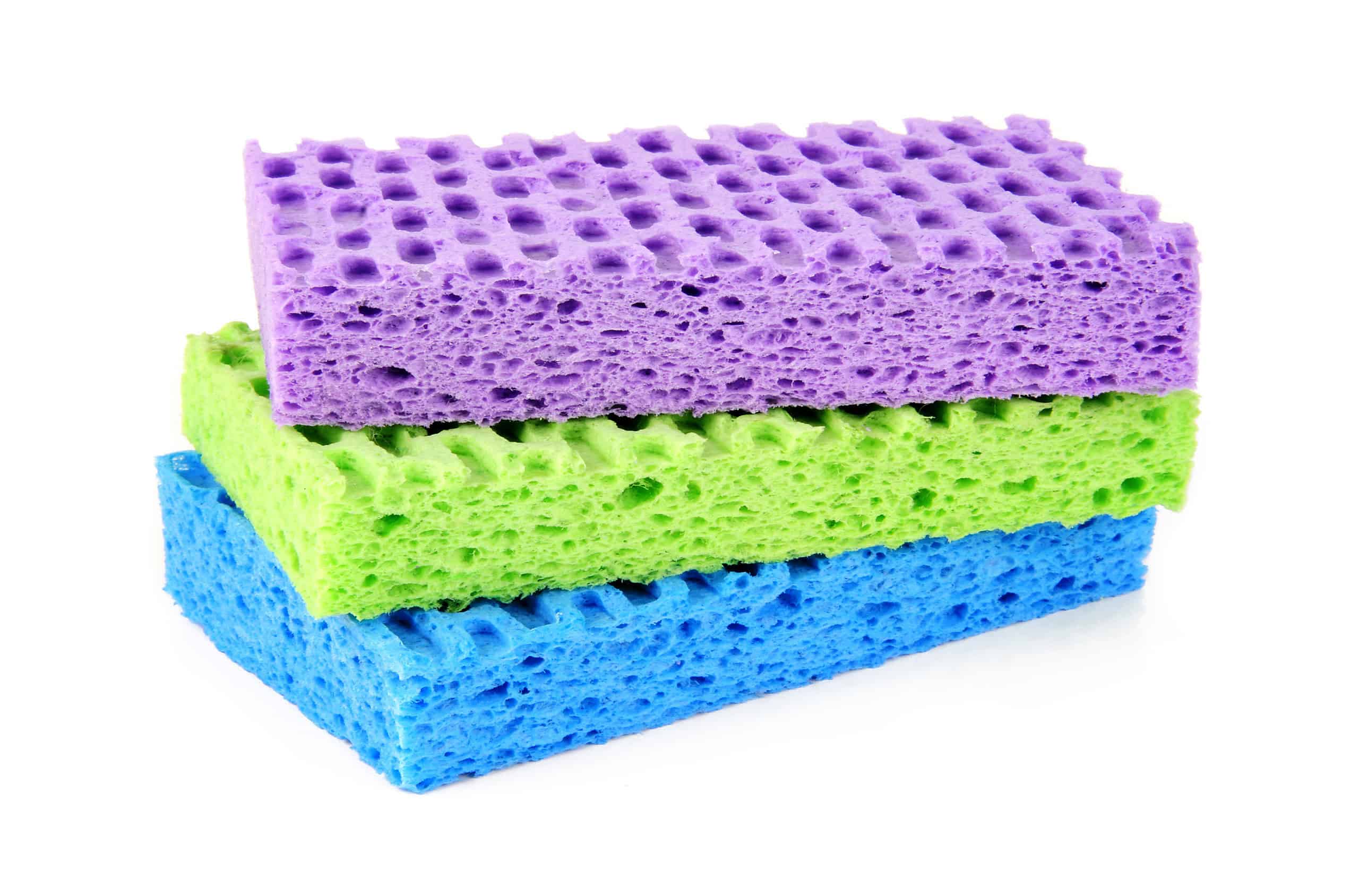
Silicone sponge rubber is a lightweight cellular silicone material containing many tiny closed cells throughout its structure. These closed cells give the material compressibility while helping maintain good sealing performance.
Silicone sponge is commonly used where:
- Thermal resistance is important
- Environmental sealing is required
- Compression and recovery matter
- Outdoor durability is needed
- Lightweight materials are preferred
One of the key advantages of silicone sponge is its ability to perform reliably across a broad temperature range while resisting UV exposure, ozone and weathering.
This makes it suitable for applications such as:
- Electrical enclosures
- HVAC systems
- Transport equipment
- Lighting systems
- Outdoor sealing
- Industrial machinery
What is foam rubber?
Foam rubber is a broader category of expanded rubber materials that can be manufactured from various compounds, including EPDM, neoprene, polyurethane and silicone.
Unlike silicone sponge, many foam rubbers use an open-cell structure. This creates a softer, more compressible material that may absorb air or moisture more easily.
Foam rubber is often selected for:
- Cushioning
- Sound absorption
- Vibration reduction
- Comfort applications
- Lightweight padding
Because foam rubber can be manufactured from different base materials, its performance characteristics vary significantly depending on the compound used.
How do the internal structures differ?
The main technical difference between silicone sponge and many foam rubbers lies in the cell structure.
Silicone sponge
Typically uses a closed-cell structure.
This means the individual cells are sealed off from each other, helping the material resist:
- Water ingress
- Dust penetration
- Air leakage
Closed-cell construction also improves sealing performance and weather resistance.
Foam rubber
Often uses an open-cell structure.
Open-cell materials allow air movement within the foam, creating softer compression characteristics but generally lower resistance to moisture and contamination.
This structural difference has a major impact on performance and application suitability.
Which material performs better at high temperatures?
Temperature resistance is one of the main reasons silicone sponge is widely used in industrial sealing applications.
Silicone sponge can often withstand temperatures ranging from approximately:
- -60°C to +200°C
This allows it to perform in environments involving:
- Heat exposure
- Thermal cycling
- Outdoor weather conditions
- Industrial processing equipment
Many standard foam rubbers cannot tolerate the same temperature extremes. Some may harden, crack or lose elasticity when exposed to prolonged heat.
For applications involving elevated temperatures, silicone-based materials generally offer significantly better long-term stability.
Businesses requiring heat-resistant sealing products often explore specialist silicone rubber strips and sponge profiles for industrial use.
How do sealing and compression properties compare?
Both materials offer compressibility, but their behaviour differs under load and repeated compression.
Silicone sponge advantages
- Better environmental sealing
- Good compression recovery
- Consistent long-term elasticity
- Improved weather resistance
Foam rubber advantages
- Softer cushioning
- Greater flexibility in low-pressure applications
- Improved acoustic absorption in some cases
Where a reliable environmental seal is required, silicone sponge is often preferred due to its closed-cell construction and durability.
Which industries use silicone sponge?
Silicone sponge is commonly used in sectors where environmental resistance and temperature stability are critical.
Typical industries include:
Electronics and electrical manufacturing
Used for sealing enclosures and protecting sensitive components.
Transport and automotive
Suitable for sealing systems exposed to vibration and temperature fluctuations.
Construction and infrastructure
Used in glazing systems, weather sealing and external equipment.
Industrial manufacturing
Applied in machinery, processing systems and thermal insulation.
Aerospace and rail
Selected for lightweight sealing and thermal performance.
The material’s combination of flexibility and durability makes it suitable for demanding operating conditions.
When is foam rubber more suitable?
Foam rubber may be more appropriate where cushioning or comfort is the primary objective rather than environmental sealing.
Applications may include:
- Seating and padding
- Packaging protection
- Acoustic insulation
- General-purpose cushioning
- Lightweight inserts
In these cases, softness and flexibility may be more important than thermal resistance or long-term weather durability.
How important is weather and UV resistance?
Outdoor exposure can significantly affect the lifespan of rubber materials.
Silicone sponge performs particularly well in outdoor environments because it resists:
- UV degradation
- Ozone exposure
- Moisture
- Temperature fluctuations
Some conventional foam rubbers may degrade more quickly when exposed to prolonged sunlight or changing weather conditions.
The UK Met Office provides information on UV exposure and environmental conditions that can affect material performance:
Met Office
For external sealing applications, long-term weather resistance is often a major deciding factor.
What factors should businesses consider before choosing?
Material selection should always be based on the specific operating environment and performance requirements.
Important considerations include:
- Operating temperature
- Compression requirements
- Exposure to moisture
- UV and weather exposure
- Required lifespan
- Chemical resistance
- Acoustic performance
- Sealing effectiveness
A softer material is not always the best option if the application requires durability and environmental protection.
Where bespoke profiles or sealing systems are required, businesses may benefit from discussing custom manufacturing requirements through the Silco Products contact page.
Frequently Asked Questions
Is silicone sponge waterproof?
Closed-cell silicone sponge offers good resistance to water ingress and is commonly used in environmental sealing applications.
Can foam rubber handle high temperatures?
Some foam rubbers can tolerate moderate temperatures, but most do not perform as well as silicone sponge in extreme heat.
Which material lasts longer outdoors?
Silicone sponge generally offers better long-term outdoor durability because of its resistance to UV exposure, ozone and weathering.
Although silicone sponge and foam rubber may appear similar, they serve different purposes in industrial and commercial applications. Silicone sponge is typically chosen for sealing, temperature resistance and environmental durability, while foam rubber is often better suited to cushioning and acoustic applications.
Understanding the differences in structure, compression behaviour and environmental resistance helps businesses select the most suitable material for long-term performance and reliability.
For more information about silicone sponge products and bespoke rubber solutions, contact Silco Products.
Phone: 01903 732088
Email: sales@silcoproducts.co.uk
Find out more: https://siliconerubberproducts.co.uk/
FURTHER READING