What are the advantages of FDA approved silicone rubber?
FDA approved silicone rubber is widely used in industries where hygiene, safety and material compliance are essential. From food processing equipment to medical systems and pharmaceutical manufacturing, silicone rubber offers a combination of durability, flexibility and thermal stability that makes it highly suitable for regulated environments.
However, not all silicone rubber products are manufactured to the same standards. FDA approved silicone is specifically formulated to comply with regulations relating to food contact and material safety, making it suitable for applications where contamination risks must be carefully controlled.
For engineers, buyers and manufacturers, understanding the advantages of FDA approved silicone rubber can help ensure products meet both operational and regulatory requirements.
What does FDA approved silicone rubber mean?
FDA approved silicone rubber refers to silicone compounds that comply with regulations established by the United States Food and Drug Administration for materials intended to come into contact with food or consumable products.
This typically means the silicone has been manufactured using ingredients considered safe for food contact applications.
FDA compliant silicone materials are often used in:
- Food production
- Beverage processing
- Pharmaceutical manufacturing
- Medical equipment
- Catering equipment
- Laboratory systems
Although FDA regulations originate in the United States, FDA compliant materials are widely recognised and used internationally, including throughout the UK manufacturing sector.
Why is FDA compliance important?
In industries involving food, drink or sensitive products, material safety is a critical consideration.
Using non-compliant materials in regulated environments can create risks such as:
- Product contamination
- Hygiene failures
- Regulatory breaches
- Product recalls
- Equipment reliability issues
FDA approved silicone helps reduce these risks by ensuring the material is manufactured to recognised safety standards.
For many manufacturers, compliance is not simply a preference but a requirement for meeting customer specifications and industry expectations.
The UK Food Standards Agency provides guidance on food-safe materials and manufacturing practices:
Food Standards Agency
What are the key advantages of FDA approved silicone rubber?
FDA approved silicone rubber offers several important performance benefits beyond compliance alone.
High temperature resistance
Silicone rubber performs reliably across a broad temperature range, often from around -60°C to +200°C.
This makes it suitable for:
- Heated food processing systems
- Sterilisation equipment
- Industrial ovens
- Refrigerated environments
Excellent flexibility
The material remains flexible under both hot and cold conditions, reducing the risk of cracking or seal failure.
Non-toxic properties
FDA approved silicone is designed to minimise contamination risks in food and medical applications.
Resistance to moisture and weathering
Silicone resists water, UV exposure and ozone, supporting long-term durability.
Good compression recovery
The material maintains effective sealing performance over time.
These combined properties make FDA approved silicone particularly versatile across multiple industrial sectors.
Which industries commonly use FDA approved silicone?
FDA approved silicone rubber is used in many industries where hygiene and compliance are priorities.
Food and beverage manufacturing
Used in seals, tubing, gaskets and processing equipment.
Pharmaceutical production
Suitable for sterile manufacturing environments and fluid transfer systems.
Medical equipment
Commonly used in healthcare systems requiring biocompatibility and sterilisation resistance.
Catering and commercial kitchens
Used in food preparation and dispensing equipment.
Laboratory environments
Suitable for precision systems exposed to varying temperatures and cleaning processes.
Many industrial applications also combine FDA requirements with demanding thermal or environmental conditions.
How does FDA approved silicone compare with standard rubber materials?
Compared with many conventional rubber materials, FDA approved silicone often provides superior performance in regulated environments.
Better temperature resistance
Many standard rubbers cannot tolerate the same continuous operating temperatures.
Improved hygiene suitability
Silicone is non-toxic and suitable for sensitive environments.
Reduced odour and taste transfer
This is important in food and beverage applications.
Greater environmental resistance
Silicone resists UV exposure, ozone and moisture more effectively than some alternative rubbers.
Long-term flexibility
The material maintains elasticity over extended service periods.
Although other rubber materials may offer lower initial costs, silicone’s durability and compliance advantages can provide better long-term value.
Businesses requiring hygienic sealing products often explore specialist silicone rubber gaskets designed for food-safe and industrial applications.
What products are commonly manufactured from FDA approved silicone?
FDA compliant silicone can be manufactured into a wide variety of industrial products.
Common examples include:
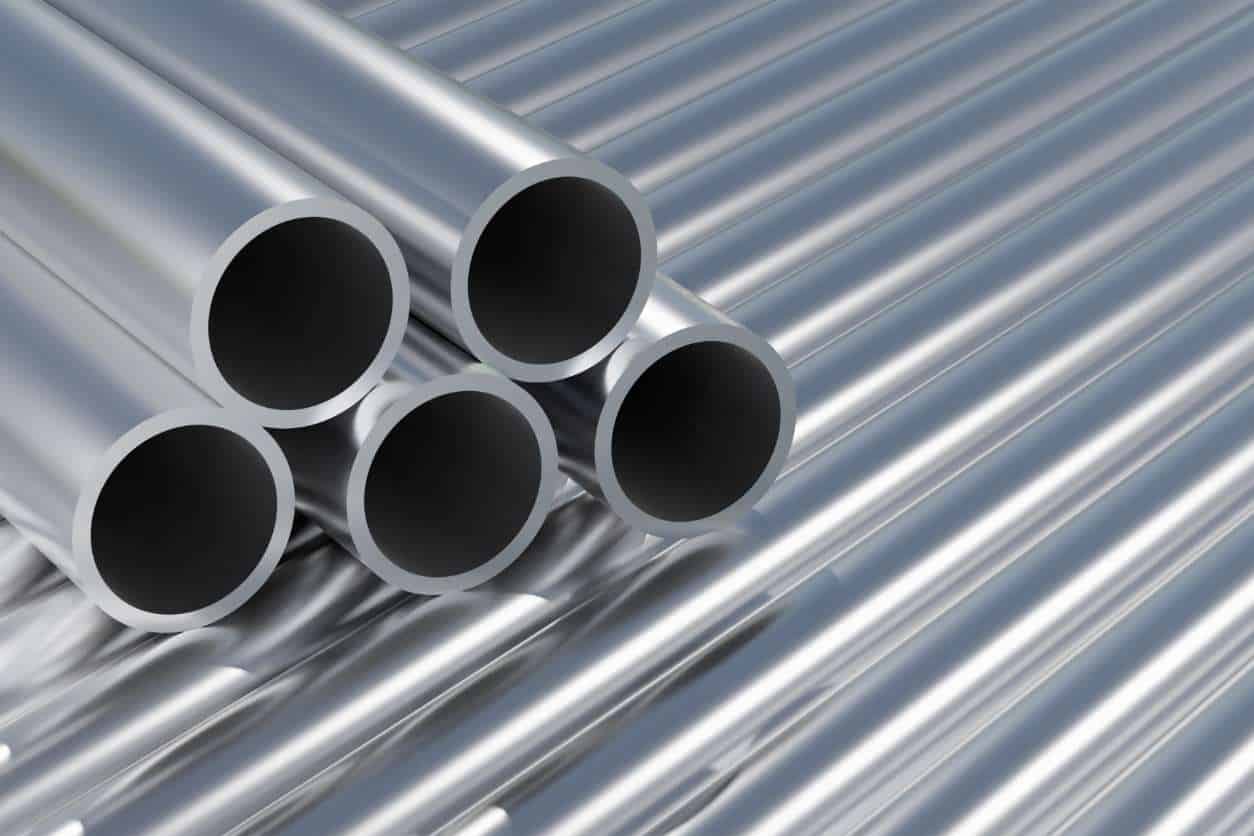
- Silicone tubing
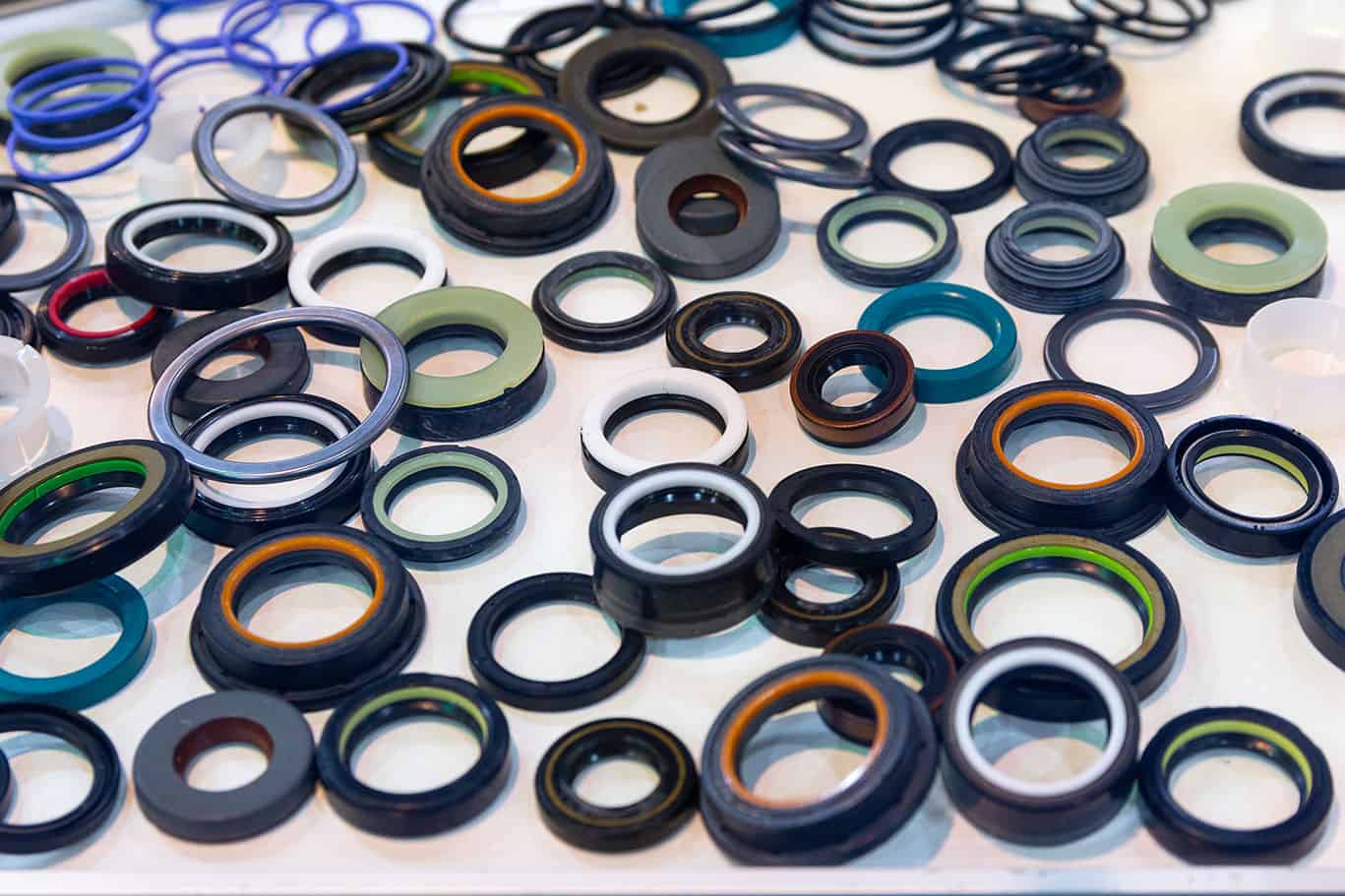
- Gaskets and seals
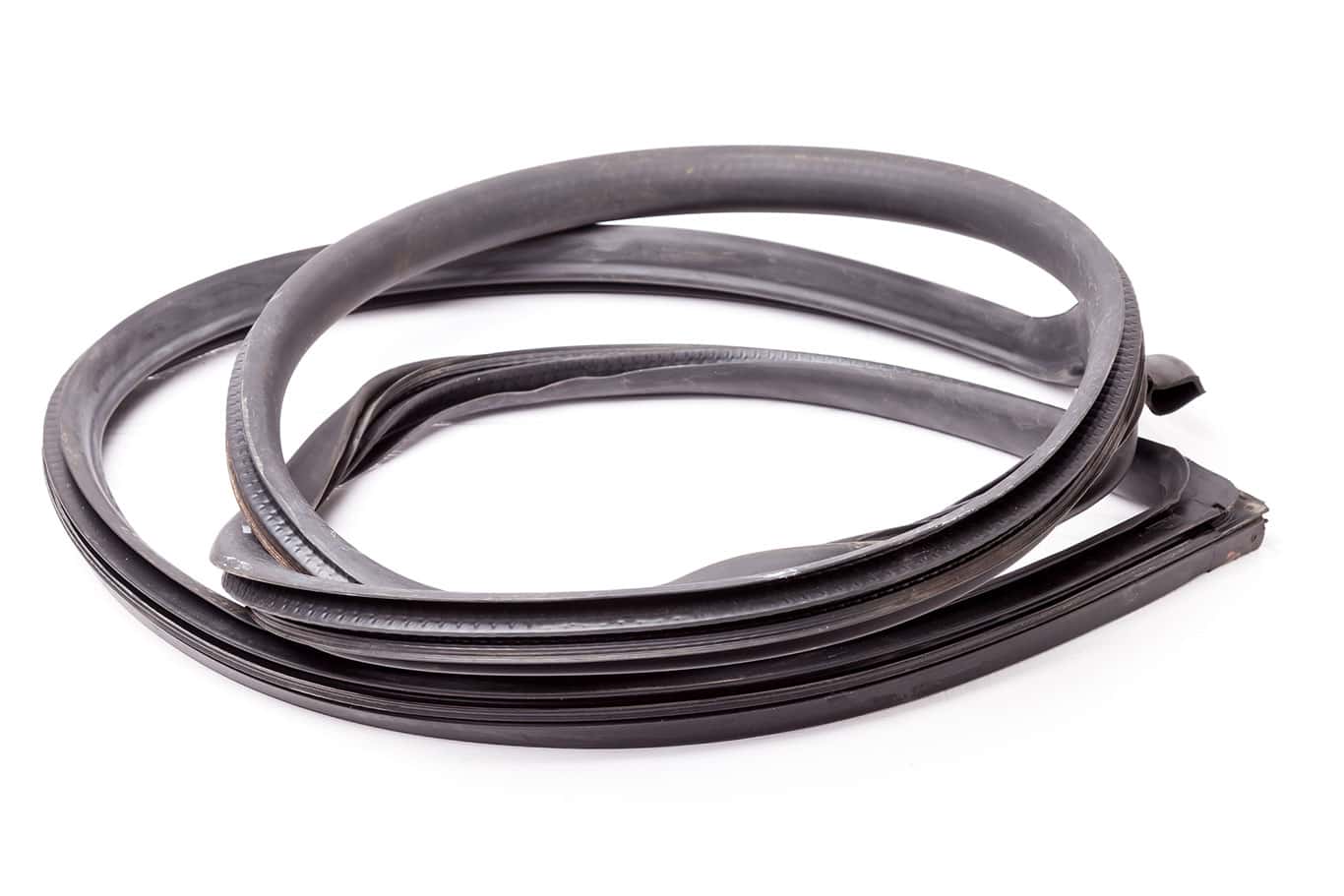
- Extruded profiles
- Washers
- Flexible connectors
- Protective covers
- Membranes
The versatility of silicone allows manufacturers to produce both standard and bespoke components depending on application requirements.
What should buyers consider before specifying FDA approved silicone?
Although FDA approval is important, buyers should also assess other performance factors before selecting a silicone product.
Important considerations include:
Operating temperature
Will the product be exposed to continuous heat or thermal cycling?
Pressure requirements
Does the application involve fluid transfer or sealing under pressure?
Cleaning processes
Will the product undergo frequent sterilisation or chemical cleaning?
Mechanical stress
Will the silicone experience movement, compression or abrasion?
Required certifications
Are additional compliance standards required alongside FDA approval?
Selecting the correct silicone grade is essential for achieving long-term reliability.
Why is manufacturing quality important?
Even FDA compliant materials can perform poorly if manufacturing standards are inconsistent.
Buyers should evaluate:
- Production tolerances
- Quality control systems
- Traceability procedures
- Material consistency
- Technical support availability
Poorly manufactured silicone components can still fail prematurely despite compliant raw materials.
Working with an experienced manufacturer helps reduce these risks and supports better long-term product performance.
Businesses with bespoke requirements may benefit from discussing material specifications and production needs directly through the Silco Products contact page.
Can FDA approved silicone be customised?
Yes. FDA compliant silicone can often be customised for specific industrial applications.
Manufacturers may offer:
- Custom extrusion profiles
- Bespoke tubing dimensions
- Different hardness levels
- Colour coding
- Reinforced constructions
- Tight tolerance production
This flexibility allows businesses to meet both operational and regulatory requirements simultaneously.
Frequently Asked Questions
Is FDA approved silicone safe for food contact?
Yes. FDA approved silicone is specifically formulated for applications involving food contact and hygienic environments.
Can FDA approved silicone withstand sterilisation?
Many grades of FDA compliant silicone can tolerate repeated sterilisation and cleaning cycles.
Does FDA approved silicone cost more?
FDA compliant materials may cost more than some standard rubbers, but the added safety, durability and compliance benefits are often essential in regulated industries.
FDA approved silicone rubber offers significant advantages in industries where hygiene, compliance and reliability are critical. Its combination of thermal stability, flexibility, environmental resistance and food-safe properties makes it highly suitable for demanding industrial applications.
However, material performance depends not only on compliance certification but also on correct specification and manufacturing quality. Businesses should carefully assess both technical requirements and supplier capabilities before selecting silicone components for regulated environments.
For more information about FDA approved silicone rubber products and bespoke manufacturing solutions, contact Silco Products.
Phone: 01903 732088
Email: sales@silcoproducts.co.uk
Find out more: https://siliconerubberproducts.co.uk/
FURTHER READING