How do silicone O rings perform in high pressure environments?
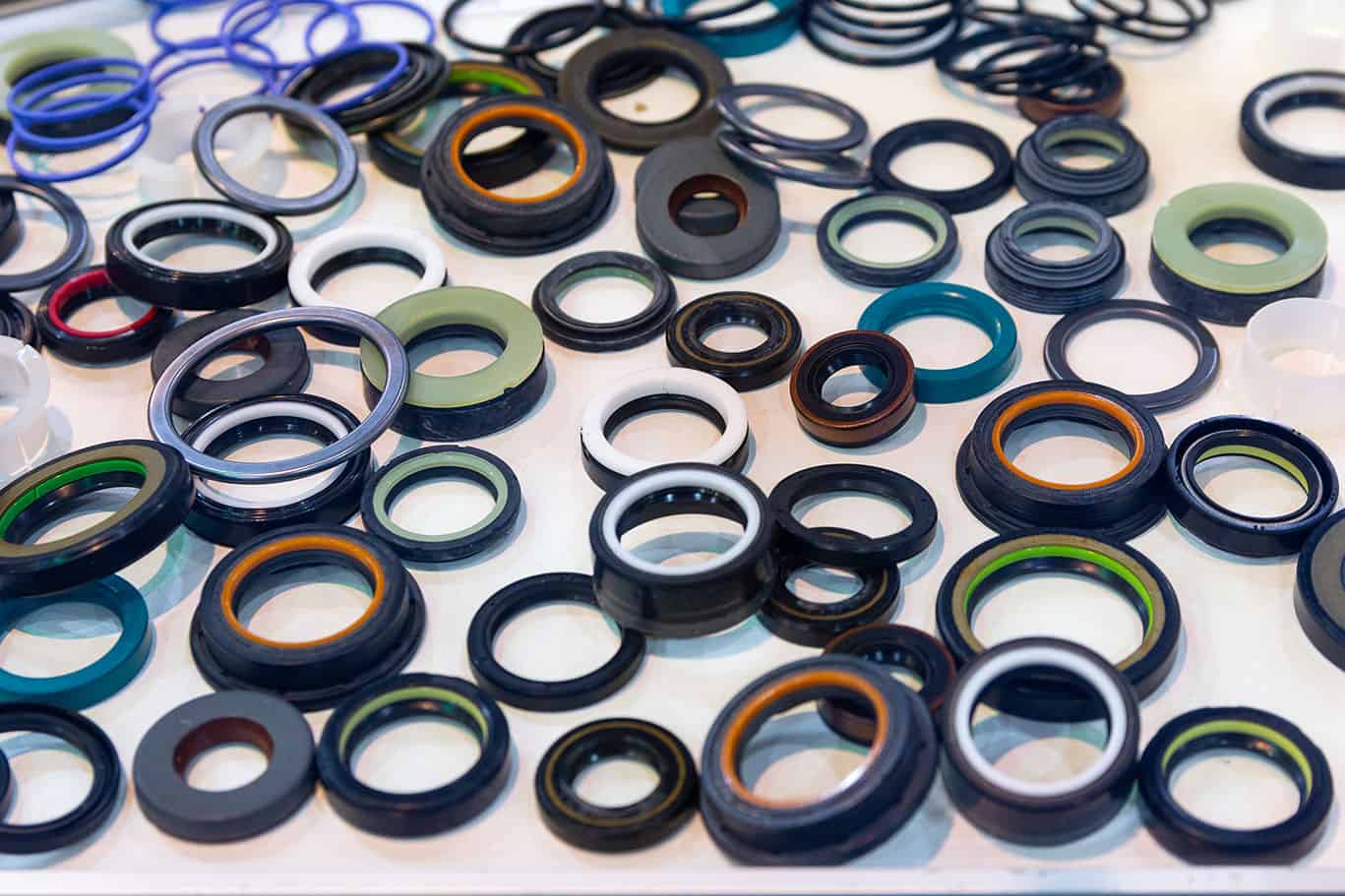
Silicone O rings are widely used in sealing applications across industries such as manufacturing, automotive engineering, food processing, electronics and healthcare. Their flexibility, temperature resistance and environmental durability make them highly effective in many operating conditions.
However, when silicone O rings are used in high pressure environments, engineers and buyers must consider more than basic material compatibility. Pressure levels, groove design, temperature, compression and chemical exposure all influence sealing performance and long-term reliability.
In some cases, silicone O rings can perform extremely well under pressure. In others, alternative materials or specialist designs may be more appropriate depending on the operating environment.
Understanding the strengths and limitations of silicone O rings helps businesses make more informed specification decisions.
Why are silicone O rings widely used?
O rings provide a simple but highly effective sealing solution in both static and dynamic systems.
Silicone O rings are particularly valued because they offer:
- Excellent flexibility
- Broad temperature resistance
- UV and ozone resistance
- Low-temperature performance
- Good compression characteristics
- Resistance to weathering
These properties make them suitable for applications involving:
- Fluid sealing
- Air systems
- Electrical enclosures
- Food processing equipment
- Medical systems
- Outdoor installations
Silicone’s ability to remain flexible across changing temperatures is one of its key advantages compared with many alternative elastomers.
What happens to O rings under high pressure?
High pressure environments place additional stress on sealing materials.
As pressure increases, the O ring experiences greater compression and force against the sealing surfaces. If the material or groove design is unsuitable, problems may occur such as:
- Extrusion into gaps
- Seal deformation
- Compression set
- Leakage
- Accelerated wear
The performance of silicone O rings under pressure therefore depends not only on the material itself but also on the overall sealing system design.
How does silicone compare with other sealing materials?
Silicone performs very well in applications involving temperature extremes and environmental exposure, but pressure capability varies depending on operating conditions.
Compared with some alternative elastomers:
Silicone advantages
- Excellent high and low temperature resistance
- Strong UV and weather resistance
- Good flexibility
- Hygienic and food-safe grades available
Silicone limitations
- Lower tear strength than some materials
- Reduced abrasion resistance
- Potential extrusion risk at very high pressures without support
Materials such as nitrile or fluorocarbon rubber may sometimes be preferred where oil resistance or extreme pressure resistance is the primary requirement.
However, silicone often remains the preferred choice where temperature performance and flexibility are equally important.
Why does groove design matter?
Even high-quality silicone O rings can fail if the groove or housing design is incorrect.
Proper groove design helps:
- Maintain correct compression
- Prevent excessive deformation
- Reduce extrusion risk
- Improve sealing consistency
Engineers should consider:
Clearance gaps
Excessive gaps can allow the O ring to extrude under pressure.
Compression levels
Too little compression may cause leakage, while too much may accelerate wear.
Surface finish
Poor sealing surfaces can affect long-term sealing performance.
Pressure direction
The seal design should account for how pressure acts within the system.
High pressure applications often require tighter tolerances and more precise engineering.
How does temperature affect pressure sealing performance?
Temperature and pressure are closely linked in many sealing applications.
Silicone performs particularly well where systems experience:
- Thermal cycling
- High operating temperatures
- Outdoor exposure
- Refrigeration conditions
Standard silicone compounds can often operate between approximately:
- -60°C to +200°C
This thermal stability allows silicone O rings to maintain flexibility and sealing performance where some materials may harden or crack.
Businesses requiring high-temperature sealing products often investigate specialist silicone rubber gaskets and sealing solutions for demanding industrial applications.
Are reinforced or supported seals sometimes necessary?
Yes. In very high pressure systems, additional sealing support may be required.
Engineers may use:
- Back-up rings
- Reinforced seal designs
- Harder silicone compounds
- Alternative groove geometries
Back-up rings help prevent the O ring from extruding into clearance gaps under pressure.
Without adequate support, softer elastomers can deform excessively in high-pressure conditions.
Which industries use silicone O rings under pressure?
Silicone O rings are used across many sectors where sealing reliability matters.
Food and beverage manufacturing
Used in hygienic processing systems exposed to pressure and temperature fluctuations.
Medical and pharmaceutical
Suitable for sterile equipment and fluid transfer systems.
Automotive engineering
Used in cooling systems, electrical housings and sensor protection.
Electronics
Provide environmental sealing for sensitive equipment.
Industrial machinery
Used in pneumatic and low-to-moderate pressure systems.
The suitability of silicone depends on the specific operating pressures and environmental conditions involved.
What factors should engineers assess before specification?
Several important factors influence whether silicone O rings are suitable for a high pressure application.
These include:
Operating pressure
Continuous and peak pressure levels should be assessed.
Temperature range
High or fluctuating temperatures may favour silicone over alternative materials.
Chemical exposure
Certain oils or solvents may affect silicone performance.
Dynamic versus static sealing
Movement increases wear and sealing complexity.
Regulatory requirements
Food-grade or medical-grade silicone may be required.
Maintenance expectations
Long-term durability and service intervals should be considered.
A complete evaluation helps ensure the correct balance between flexibility, sealing reliability and lifespan.
Why is manufacturing quality important?
Seal performance depends heavily on manufacturing consistency.
Poorly manufactured O rings may suffer from:
- Dimensional inconsistencies
- Surface defects
- Inaccurate hardness levels
- Premature failure
Manufacturers should maintain strong quality control procedures and dimensional accuracy throughout production.
The British Standards Institution provides guidance on engineering quality systems and manufacturing standards:
British Standards Institution
Businesses with specialised sealing requirements may benefit from discussing custom manufacturing support through the Silco Products contact page before finalising specifications.
Frequently Asked Questions
Are silicone O rings suitable for hydraulic systems?
Silicone is not always the preferred material for high-pressure hydraulic systems involving oils or fuels. Material compatibility should always be assessed carefully.
Can silicone O rings handle vacuum applications?
Yes. Silicone O rings are commonly used in vacuum systems because of their flexibility and temperature resistance.
What causes O ring extrusion under pressure?
Extrusion occurs when pressure forces the seal material into clearance gaps, often due to excessive pressure, poor groove design or insufficient support.
Silicone O rings can perform effectively in many high pressure environments when correctly specified and properly supported within the sealing system. Their excellent temperature resistance, flexibility and environmental durability make them highly valuable across numerous industrial applications.
However, successful performance depends on factors such as groove design, pressure levels, material hardness and operating conditions. Careful specification and quality manufacturing are essential for achieving reliable long-term sealing performance.
For more information about silicone sealing products and bespoke rubber manufacturing solutions, contact Silco Products.
Phone: 01903 732088
Email: sales@silcoproducts.co.uk
Find out more: https://siliconerubberproducts.co.uk/
FURTHER READING