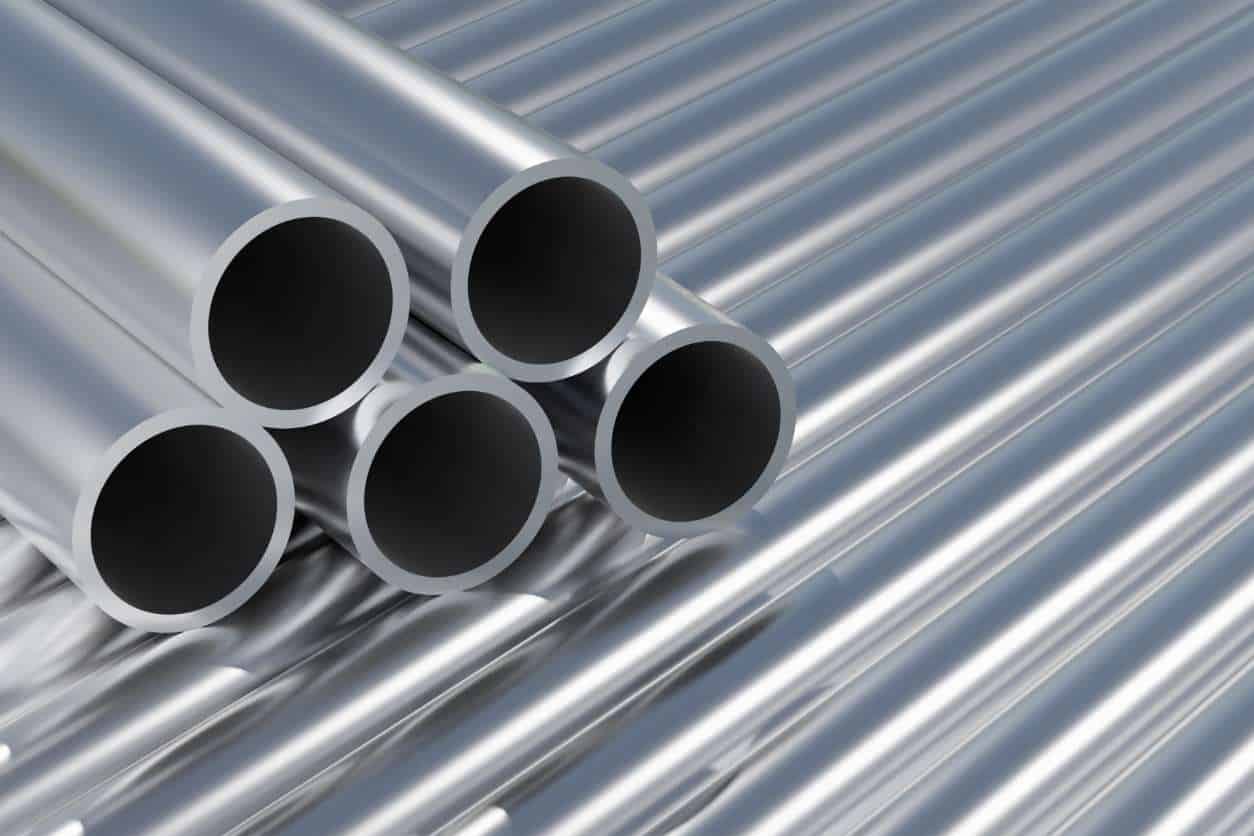
What Are Platinum Cured Silicone Tubes Used For?
Platinum cured silicone tubes are used in applications where cleanliness, material consistency, flexibility and reliable fluid transfer are particularly important. They are commonly considered for food and beverage processing, pharmaceutical production, laboratory equipment, medical-related manufacturing, specialist engineering systems and other controlled industrial processes.
The term “platinum cured” describes the curing system used to convert silicone material into a stable, elastic tube. A platinum-based catalyst supports an addition-curing reaction, producing tubing with properties that may be preferable where low levels of extractable substances, reduced odour and a clean appearance are required.
This does not mean that every platinum cured silicone tube is automatically suitable for every regulated or hygiene-sensitive use. Product grade, manufacturing controls, testing, documentation, dimensions and applicable compliance requirements must all be checked.
Its suitability ultimately depends on the substance being transferred, operating temperature, pressure, cleaning process and level of regulatory assurance required.
What is platinum cured silicone tubing?
Silicone tubing begins as a compound that must be cured to form a stable elastomer. Curing creates the molecular links that give the finished material its flexibility, resilience and ability to return towards its original shape after deformation.
Platinum curing uses a platinum catalyst to support this process. It is also known as addition curing.
The finished tubing is often valued for its smooth appearance, flexibility and relatively clean material profile. Depending on the exact formulation and manufacturing process, platinum cured tubing may have lower levels of certain residual substances than tubing produced using some other curing systems.
This can make it appropriate for applications where the tubing comes into contact with sensitive fluids or where unwanted taste, odour or contamination must be carefully controlled.
Why does the curing system matter?
The curing system can influence the characteristics of the finished silicone product. It may affect odour, colour stability, residual by-products, processing requirements and suitability for particular environments.
For a general industrial airline or drainage application, the curing method may not be the most important factor. For a laboratory dosing system or beverage transfer line, however, material cleanliness and consistency may be central to the specification.
The curing method should therefore be considered alongside the silicone grade, hardness, dimensions, pressure capability and required documentation.
Buyers should avoid treating “platinum cured” as a complete specification by itself. Two tubes made using platinum curing can still differ substantially in wall thickness, formulation, tolerances and intended use.
How does platinum curing differ from peroxide curing?
Platinum curing and peroxide curing are two established methods used in silicone rubber manufacturing.
Peroxide curing uses an organic peroxide to initiate the curing reaction. It can produce durable silicone products suited to a wide variety of industrial applications.
Platinum curing uses an addition reaction supported by a platinum catalyst. The process can produce silicone with low levels of curing by-products, making it attractive for cleanliness-sensitive applications.
Neither system should be described as universally superior. The appropriate choice depends on the intended use, performance requirements, production process and budget.
Residual substances and odour
One of the main reasons buyers choose platinum cured silicone tubing is the desire to minimise residual curing by-products. This may be important where the transferred fluid could be sensitive to taste, odour or trace contamination.
Peroxide cured silicone may undergo post-curing to reduce residual substances and improve its suitability for certain applications. The precise requirements depend on the compound and intended use.
The manufacturer should be able to explain the grade supplied and whether any post-curing or additional treatment has been carried out.
Appearance and colour
Platinum cured tubing is often associated with good clarity and colour stability. This can be useful where operators need to observe fluid movement, identify air bubbles or check for contamination.
However, silicone tubing is not necessarily completely transparent. Its appearance can range from translucent to relatively clear depending on the compound, wall thickness, colour and production process.
Visual inspection should not be used as the only method of checking cleanliness or flow. In critical systems, appropriate sensors, process controls and maintenance procedures may still be required.
Processing considerations
Platinum curing can be sensitive to substances that inhibit the curing reaction. Certain contaminants, chemicals and materials can interfere with production.
This is primarily a manufacturing concern, but it helps explain why controlled material handling and suitable production conditions matter. Consistent manufacturing controls contribute to the repeatability of the finished tube.
Which industries use platinum cured silicone tubes?
Platinum cured silicone tubing is used across sectors where flexible fluid or gas transfer must be combined with cleanliness, temperature resistance and controlled material performance.
Typical applications include transferring liquids, connecting equipment, dosing ingredients, moving air or gases, supporting sampling processes and carrying fluids through processing systems.
The exact use must always be checked against the tube specification and any relevant regulatory requirements.
Food and beverage processing
Food and drink manufacturers may use platinum cured silicone tubes to transfer liquid ingredients, flavourings, sauces, beverages or cleaning fluids within suitable systems.
Silicone is often selected because it is flexible, can be supplied in a range of bore and wall dimensions, and may withstand cleaning temperatures that would be unsuitable for some plastics.
Possible applications include:
- Ingredient dosing and dispensing
- Beverage transfer
- Filling machinery connections
- Dairy or liquid food processing
- Vending and drinks equipment
- Temporary or flexible process connections
For food-contact use, the tubing must be supported by appropriate documentation for the relevant market and application. A general description such as “food-grade silicone” should not be accepted without checking what standard or regulation the claim refers to.
The nature of the food product also matters. Fatty substances, oils, flavour compounds and aggressive cleaning chemicals may interact differently with elastomeric materials.
Preventing taste and odour transfer
Manufacturers handling beverages or sensitive ingredients may wish to minimise the risk of the tubing affecting product taste or smell.
Platinum cured silicone is often considered because of its clean material characteristics. However, the system design, cleaning procedure, storage and tube replacement schedule can also affect product quality.
Tubing that is stored near strong-smelling chemicals, fitted with contaminated tools or inadequately cleaned may introduce unwanted odours regardless of its curing method.
Pharmaceutical and biotechnology processes
Pharmaceutical and biotechnology production can require tubing for fluid transfer, sampling, dosing and processing within controlled systems.
Platinum cured silicone tubing may be used because it combines flexibility with the possibility of high-purity grades, traceable manufacturing and supporting test documentation.
Applications may include:
- Transfer of buffers and process fluids
- Peristaltic pump systems
- Laboratory-scale production equipment
- Sampling lines
- Filling and dispensing systems
- Single-use or limited-use assemblies
The level of validation required can be extensive. Buyers may need information about material composition, biological testing, extractables, traceability, sterilisation compatibility or manufacturing conditions.
These requirements should be identified before ordering. A tube suitable for general laboratory work may not meet the documentation or performance expectations of a validated pharmaceutical process.
Use with peristaltic pumps
Peristaltic pumps move fluid by repeatedly compressing flexible tubing. The fluid remains inside the tube, which can help isolate it from the pump mechanism.
Silicone tubing is frequently considered for these systems because of its flexibility. However, repeated compression creates mechanical fatigue.
Tube life in a peristaltic pump depends on several factors, including wall thickness, hardness, pump speed, roller pressure, fluid, temperature and operating duration.
A platinum cured tube may provide the required cleanliness, but its pump life must still be tested under realistic conditions. Tubing should not be assumed to be suitable for continuous pumping simply because it is flexible.
Laboratory and analytical equipment
Laboratories use flexible tubing to transfer liquids and gases between containers, pumps, instruments and test apparatus.
Platinum cured silicone tubes may be chosen where researchers require a clean, flexible connection that can tolerate a useful range of temperatures.
Typical uses can include:
- Benchtop fluid transfer
- Sampling equipment
- Gas delivery at suitable pressures
- Condensate drainage
- Dosing systems
- Connections between glassware and instruments
Chemical compatibility is essential. Silicone is not resistant to every solvent, fuel, oil or concentrated chemical.
Before using the tubing, the laboratory should review how the fluid may affect swelling, hardness, permeability and mechanical strength. Testing may be required where published compatibility information does not reflect the exact concentration, temperature or exposure time.
Medical-related manufacturing and equipment
Certain grades of platinum cured silicone tubing may be used in medical-related devices, equipment or component manufacturing.
These applications can include fluid transfer within equipment, pump systems, drainage, air pathways or connections where flexibility and material cleanliness are important.
Medical suitability is highly specific. The fact that a tube is platinum cured does not make it suitable for implantation, direct patient contact or any particular medical device.
The required biological testing, quality controls and regulatory documentation depend on the nature and duration of contact. Buyers should clearly define the intended use and seek the relevant product evidence before approval.
Industrial and engineering applications
Platinum cured silicone tubes are not limited to regulated industries. They may also be used in engineering systems where clean transfer, flexibility or temperature resistance is beneficial.
Examples include specialist machinery, printing systems, electronics manufacture, lighting equipment, environmental monitoring and low-pressure air or fluid connections.
An equipment manufacturer might specify platinum cured tubing to reduce odour inside a finished product, improve visual appearance or maintain consistency across production batches.
In these cases, the choice may be driven by product quality rather than a formal hygiene requirement.
What performance benefits can platinum cured silicone tubing provide?
The benefits depend on the grade and design of the tube. Nevertheless, several characteristics commonly influence its selection.
Flexibility
Silicone tubing can bend around equipment and absorb a degree of movement or vibration. This makes it useful for connections between components that cannot be joined with rigid pipework.
The minimum bend radius should still be respected. A tube bent too tightly can kink, restrict flow or place stress on connectors.
Thin-walled tubing may bend easily but can also collapse more readily under suction or tight curvature. A thicker wall may improve shape retention but increase stiffness.
Temperature performance
Silicone is often chosen for systems that experience temperatures beyond the comfortable working range of common flexible plastics.
The permitted operating range varies according to the silicone compound, tube construction and duration of exposure.
Temperature can also affect pressure capability. A tube that performs at room temperature may soften and expand more easily at elevated temperatures.
Buyers should therefore check the relationship between temperature, pressure and service life rather than relying on a single maximum temperature figure.
Smooth internal bore
A well-manufactured tube can provide a smooth internal surface that supports fluid movement and cleaning.
This may help reduce places where residue can accumulate, although the complete system design remains important. Connectors, joints, dead legs and poorly drained sections can all retain product.
The tube should be sized to provide the required flow without excessive velocity, pressure drop or residence time.
Visual monitoring
Translucent or clear tubing can allow operators to observe fluid movement, bubbles, discolouration or gross contamination.
This can be useful during setup and maintenance. It may also help identify when a line has been fully primed or flushed.
Visual inspection is not a substitute for validated process monitoring, but it can offer a practical operational benefit.
Elastic recovery
Silicone’s ability to recover after bending or compression can support repeated use in pumps, valves and moving assemblies.
This recovery is not unlimited. Prolonged compression, high temperatures and repeated cycling can gradually alter the tube.
Planned inspection and replacement remain important in systems where tubing failure could interrupt production or contaminate a product.
Can platinum cured silicone tubing be sterilised?
Some grades of platinum cured silicone tubing can tolerate sterilisation methods such as steam treatment, autoclaving, radiation or certain chemical processes.
Compatibility should never be assumed. Sterilisation can affect colour, hardness, tensile strength, flexibility and service life.
The manufacturer should be asked whether the specific grade has been assessed for the intended sterilisation method.
Repeated cycles can be more demanding than a single treatment. A tube that survives one autoclave cycle may still deteriorate after repeated processing.
Other factors include the sterilisation temperature, exposure time, pressure, drying process and whether the tube is under mechanical strain during treatment.
What should buyers consider when specifying platinum cured silicone tubes?
A useful tubing specification should cover more than internal diameter.
The bore determines the available flow path, while the outside diameter and wall thickness influence flexibility, pressure resistance, connector fit and resistance to collapse.
Important considerations include:
- Internal diameter and outside diameter
- Wall thickness and tolerances
- Silicone grade and hardness
- Required cleanliness or compliance evidence
- Fluid or gas being transferred
- Operating and cleaning temperatures
- Internal pressure or vacuum
- Bend radius and movement
- Pumping or repeated compression
- Sterilisation and replacement frequency
These details help the supplier assess whether an existing tube size is suitable or whether a custom product should be considered.
Internal diameter and flow
The internal diameter affects flow rate and pressure drop. Selecting a smaller bore may reduce the overall size of the assembly, but it can restrict flow or increase pumping requirements.
A larger bore may improve flow but require larger connectors and more installation space.
The correct size should be based on the system’s functional requirements rather than simply matching the nearest available tube.
Wall thickness and pressure
Wall thickness helps the tube resist internal pressure, vacuum and collapse. It also affects bend performance and connection security.
Pressure capability depends on more than the wall alone. Temperature, diameter, material hardness, ageing, pulsation and safety margin all influence performance.
For pressure-sensitive systems, buyers should request appropriate technical data and conduct testing within the finished assembly.
Connector compatibility
A tube must fit securely onto barbs, nozzles or fittings without being excessively stretched.
A loose connection may leak or detach, while an undersized tube can be damaged during installation.
Clamps may be needed, but they should apply suitable force without cutting into or permanently crushing the silicone.
The connector material and geometry should also suit the process, cleaning requirements and expected temperature.
Chemical compatibility and permeability
Silicone can be permeable to certain gases and vapours. This may matter where evaporation, gas loss or atmospheric ingress must be minimised.
The transferred substance can also diffuse into the material, cause swelling or affect its mechanical properties.
Applications involving solvents, oils, fuels or aggressive chemicals require careful compatibility assessment. An alternative elastomer or fluoropolymer tube may be more suitable in some cases.
Documentation and traceability
Regulated industries may require batch traceability, certificates of conformity, material declarations or test reports.
The required documents should be agreed before ordering. Retrospectively obtaining evidence may be difficult if the original production batch or specification cannot be identified.
Clear purchasing records also make it easier to maintain consistency when the tubing is reordered.
Silco Products supplies silicone rubber tubing for industrial and specialist applications, with specification support available for different dimensions and operating requirements.
What can cause platinum cured silicone tubes to fail?
Tubing failures are often linked to the application rather than the curing system itself.
Common causes include excessive pressure, tight bending, incompatible chemicals, poor connector design, repeated pump compression, high temperature and physical damage during installation.
Kinking and restricted flow
A tight bend can flatten the tube and reduce the available flow path. This may increase pressure upstream, reduce dosing accuracy or prevent full drainage.
Routing should provide a suitable bend radius and avoid pulling the tube sideways against connectors.
Supports or formed bends may be useful where space is limited.
Splitting near fittings
The tube may split near a connector if it is stretched excessively, cut by a sharp barb or repeatedly flexed at the same point.
The fitting diameter and profile should match the tube. Installation tools and techniques should avoid scoring the inner surface.
Strain relief can reduce movement close to the connector.
Collapse under vacuum
Flexible tubing can collapse when internal pressure falls below the surrounding atmospheric pressure.
A thicker wall, smaller bore or reinforced construction may be required for suction applications.
The tube should be tested at the expected temperature because warmer silicone may become softer and more prone to collapse.
Wear in pumps
Peristaltic pump rollers repeatedly squeeze the tube, creating localised mechanical stress.
Signs of wear may include flattening, cracking, reduced flow accuracy or leakage.
A planned replacement interval should be established through testing. Waiting for visible failure may be unacceptable where the fluid is valuable, hazardous or sensitive to contamination.
Frequently Asked Questions
Is platinum cured silicone tubing food safe?
Some platinum cured silicone tubing is manufactured for food-contact applications, but platinum curing alone does not prove compliance. Buyers should check the exact product grade, intended use and supporting documentation.
Is platinum cured tubing better than peroxide cured tubing?
It depends on the application. Platinum cured tubing may be preferred where low residual by-products, reduced odour or high-purity characteristics matter. Peroxide cured silicone can remain suitable for many general industrial applications.
Can platinum cured silicone tubes carry hot liquids?
Suitable grades can be used with hot fluids, but the maximum operating temperature, pressure and exposure time must be confirmed. The tube may soften as temperature rises, which can reduce its pressure capability.
Can silicone tubing be used with oils and fuels?
Silicone is not ideal for every oil or fuel application. Some substances may cause swelling, softening or loss of strength. Chemical compatibility should be checked for the specific fluid, concentration and temperature.
How often should platinum cured tubing be replaced?
There is no universal replacement interval. It depends on temperature, pressure, fluid compatibility, cleaning, sterilisation and mechanical cycling. Critical systems should use an inspection and replacement schedule based on testing and operating experience.
Platinum cured silicone tubes are widely used where flexible fluid transfer must be combined with cleanliness, temperature resistance and consistent material performance. Their applications range from food and beverage machinery to laboratory systems, pharmaceutical processing and specialist industrial equipment.
The curing system is only one part of the specification. Bore, wall thickness, hardness, pressure, temperature, chemical compatibility and required compliance evidence must also be considered.
A carefully specified tube can support reliable flow, straightforward installation and effective cleaning. An unsuitable tube may kink, collapse, split or deteriorate when exposed to the process conditions.
Silco Products supplies silicone rubber tubing for industrial, commercial and specialist requirements. To discuss tube dimensions, material grade, operating conditions or a custom application, contact the team for practical specification support.
Phone: 01903 732088
Email: sales@silcoproducts.co.uk
Find out more: https://siliconerubberproducts.co.uk/
Discuss silicone tubing: Contact Silco Products
Find us
FURTHER READING