What temperature range can silicone rubber withstand?
Silicone rubber is widely recognised for its ability to perform reliably across a broad temperature range. This is one of the main reasons it is used in industries such as manufacturing, automotive engineering, food processing, electronics and healthcare.
Unlike many conventional rubber materials, silicone maintains its flexibility and stability in both extremely hot and very cold environments. This makes it particularly valuable in applications where temperature fluctuations could cause other materials to harden, crack, melt or lose performance.
However, the exact temperature resistance of silicone rubber depends on the grade, formulation and operating conditions involved. Engineers and buyers should understand these factors before selecting a material for demanding environments.
Why is silicone rubber highly temperature resistant?
Silicone rubber has a molecular structure that provides exceptional thermal stability compared with many other elastomers.
The silicon-oxygen backbone within the material is highly resistant to heat degradation. As a result, silicone can remain flexible and durable at temperatures where many standard rubber compounds begin to fail.
This combination of flexibility and heat resistance is particularly useful in applications involving:
- Continuous heat exposure
- Thermal cycling
- Outdoor weather exposure
- Refrigeration systems
- Steam environments
- Heated manufacturing equipment
In addition to heat resistance, silicone also performs well at sub-zero temperatures, retaining flexibility in cold conditions where some materials become brittle.
What is the typical temperature range for silicone rubber?
Standard silicone rubber can generally operate continuously between approximately:
- -60°C to +200°C
Some specialist grades may tolerate even higher short-term temperatures, sometimes exceeding +250°C for intermittent exposure.
The precise operating range depends on factors such as:
Material formulation
Different silicone compounds are designed for different applications.
Duration of exposure
Short-term exposure to extreme temperatures may be acceptable even if continuous operation is not.
Environmental conditions
Moisture, chemicals and pressure can affect thermal performance.
Mechanical stress
Compression, movement and vibration can influence material longevity at elevated temperatures.
For many industrial applications, silicone offers one of the broadest working temperature ranges available among flexible rubber materials.
How does silicone rubber behave in high temperatures?
One of silicone rubber’s major advantages is its ability to retain flexibility and mechanical stability under sustained heat exposure.
At elevated temperatures, silicone generally demonstrates:
- Good elasticity retention
- Resistance to cracking
- Stable compression performance
- Low risk of melting
- Resistance to UV and ozone degradation
This makes silicone suitable for environments such as:
- Engine compartments
- Industrial ovens
- Food processing equipment
- Electrical insulation systems
- HVAC applications
However, prolonged exposure to temperatures above the recommended range can eventually cause hardening, reduced elasticity or surface degradation.
Engineers should therefore consider both peak and continuous operating temperatures during specification.
What happens at very low temperatures?
Many conventional rubber materials become stiff or brittle at low temperatures, increasing the risk of cracking or seal failure.
Silicone rubber performs differently because it remains flexible at temperatures as low as -60°C in many applications.
This makes it suitable for:
- Outdoor equipment
- Refrigeration systems
- Aerospace applications
- Cold storage facilities
- External sealing systems
Its ability to maintain flexibility in freezing conditions is one reason silicone is commonly chosen for weather-exposed seals and gaskets.
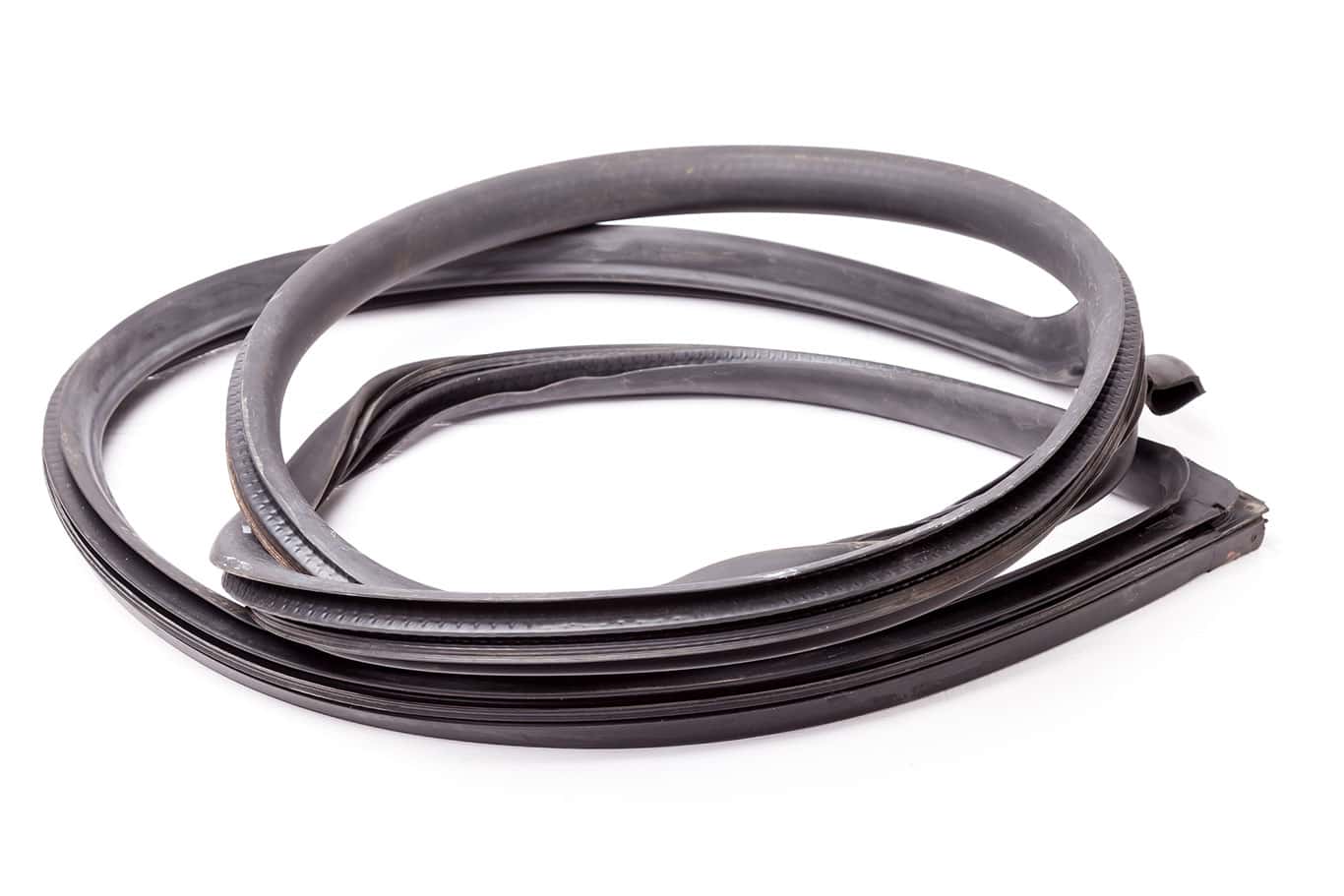
Businesses specifying thermal-resistant sealing solutions often explore bespoke silicone rubber gaskets for both high and low temperature environments.
Which industries rely on silicone’s temperature resistance?
Silicone rubber is used across a wide range of sectors where thermal performance is critical.
Automotive industry
Silicone is used for hoses, seals, gaskets and electrical insulation components exposed to engine heat and fluctuating temperatures.
Food processing
High-temperature stability and food-safe grades make silicone suitable for processing equipment and bakery systems.
Medical and pharmaceutical
Silicone withstands sterilisation processes and repeated temperature cycling.
Electronics
Its insulating properties and thermal resistance support cable protection and sensitive electrical systems.
Manufacturing and industrial processing
Silicone components are widely used in ovens, machinery and heated production systems.
The Health and Safety Executive provides guidance on thermal hazards and industrial safety considerations:
Health and Safety Executive
Can silicone rubber withstand steam and moisture?
Silicone generally performs well in humid and steam-exposed environments, which is another reason it is commonly used in food, beverage and medical systems.
However, prolonged exposure to high-pressure steam can affect some silicone compounds over time.
Factors that should be evaluated include:
- Steam pressure
- Exposure duration
- Cleaning chemical compatibility
- Frequency of sterilisation cycles
Specialist formulations may be required where repeated autoclaving or aggressive cleaning regimes are involved.
How does silicone compare with other rubber materials?
Temperature resistance is one of the main reasons engineers choose silicone over alternative elastomers.
Compared with some common materials:
EPDM
Good weather resistance and steam resistance, but generally lower high-temperature capability than silicone.
Natural rubber
Excellent flexibility but limited heat resistance.
Nitrile rubber
Good oil resistance but narrower temperature range.
PVC
Lower cost but significantly reduced thermal performance and flexibility.
Silicone’s broad operating range often justifies its use in critical or long-life applications where reliability matters more than initial material cost.
What factors influence silicone rubber lifespan?
Even highly temperature-resistant materials can degrade prematurely if operating conditions are not fully understood.
Important lifespan considerations include:
Continuous versus intermittent exposure
Constant high temperatures accelerate ageing more than occasional spikes.
Chemical contact
Some oils, fuels and solvents can affect silicone performance.
Mechanical stress
Compression and movement may shorten service life.
UV and weather exposure
Silicone performs well outdoors compared with many alternative rubbers.
Material grade
Higher-grade compounds may offer improved durability and stability.
Correct specification is essential for achieving long-term performance.
Why do engineers specify custom silicone products?
In many industrial applications, standard off-the-shelf components may not fully satisfy operational requirements.
Custom silicone products may be specified for:
- Enhanced temperature resistance
- Precise tolerances
- Bespoke extrusion profiles
- Specialist compliance requirements
- Improved sealing performance
- Unique installation conditions
Where thermal performance is critical, engineers may seek tailored extrusion and sealing solutions through custom manufacturing support.
Frequently Asked Questions
Can silicone rubber melt at high temperatures?
Silicone rubber does not melt in the same way as thermoplastics. However, exposure beyond its rated temperature range can eventually lead to degradation and loss of mechanical properties.
Is silicone suitable for outdoor use?
Yes. Silicone offers excellent resistance to UV exposure, ozone and weathering, making it highly suitable for outdoor environments.
What is the maximum temperature silicone rubber can handle?
Many standard silicone grades operate continuously up to around +200°C, while specialist grades may tolerate higher intermittent temperatures.
Silicone rubber’s ability to withstand both extreme heat and freezing temperatures makes it one of the most versatile elastomer materials used in modern industry. Its flexibility, thermal stability and environmental resistance allow it to perform reliably across a wide variety of demanding applications.
However, temperature resistance should always be considered alongside factors such as pressure, chemical exposure, compliance requirements and installation conditions. Choosing the correct grade and specification is essential for long-term reliability.
For more information about silicone rubber products and custom manufacturing solutions, contact Silco Products.
Phone: 01903 732088
Email: sales@silcoproducts.co.uk
Find out more: https://siliconerubberproducts.co.uk/
FURTHER READING