How a Rubber Washer Helps Prevent Leaks and Vibration
Introduction
A rubber washer plays a critical role in sealing and protecting mechanical connections. Used across plumbing, industrial equipment and general maintenance, a rubber washer helps prevent leaks while also reducing vibration between components. Despite its simplicity, it is one of the most effective sealing solutions available.
What a Rubber Washer Does
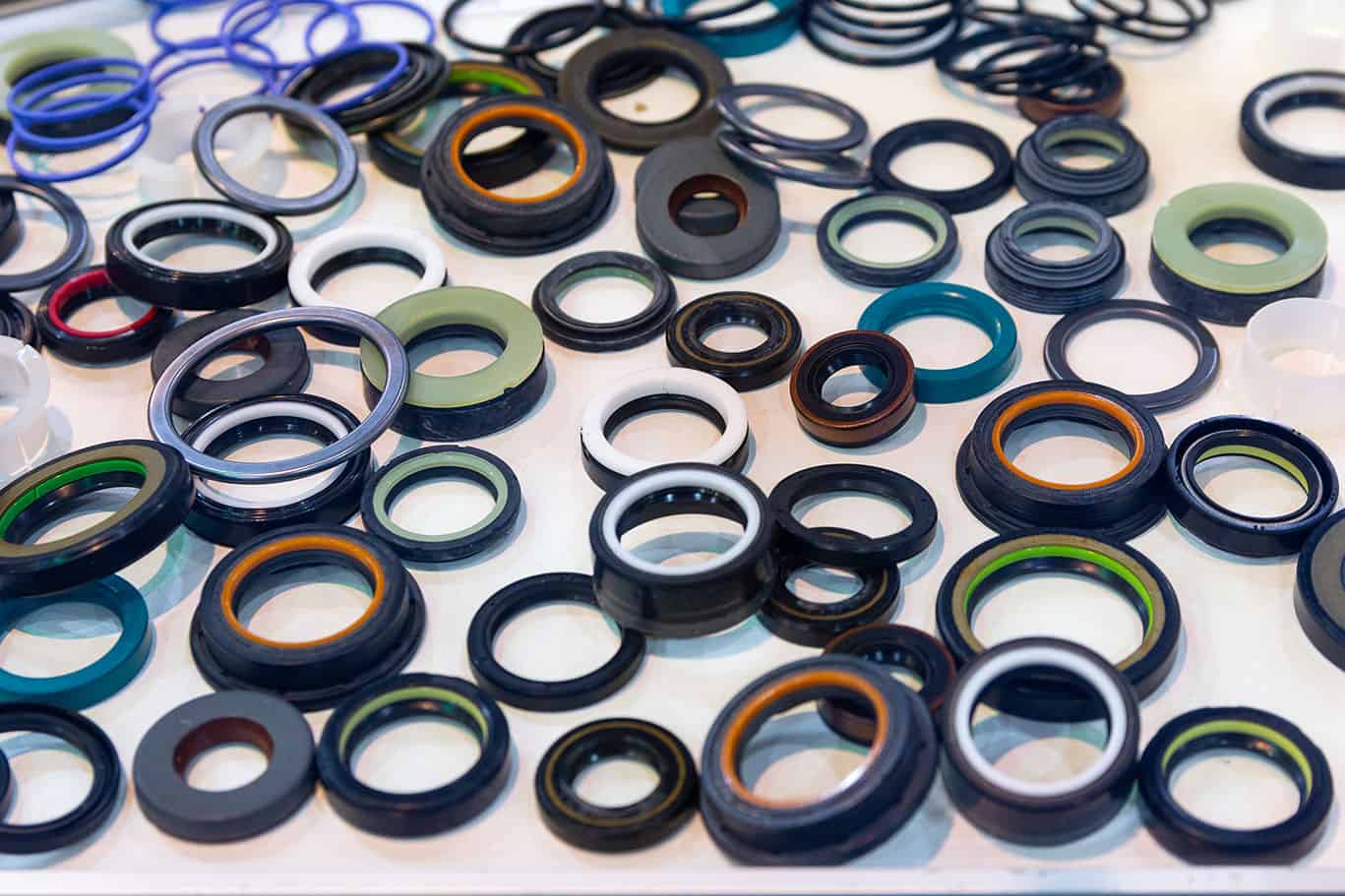
A rubber washer is designed to sit between two surfaces, creating a tight seal when compressed. This prevents liquids, gases or air from escaping while also protecting surfaces from wear.
Because rubber is flexible, it adapts to slight imperfections in surfaces. This ensures a more reliable seal compared to rigid materials.
How a Rubber Washer Prevents Leaks
Leak prevention is the primary function of a rubber washer. When installed correctly, it forms a barrier that stops fluid from passing through joints or fittings.
Key sealing advantages include:
- Compresses to fill gaps and irregularities
- Maintains contact under pressure
- Resists water and many chemicals
- Performs reliably in both static and moving parts
This is why washers are commonly used in plumbing systems, valves and pipe connections.
Reducing Vibration and Noise
In addition to sealing, a rubber washer helps absorb vibration. This is particularly important in machinery or equipment where movement could loosen connections over time.
Benefits of vibration reduction include:
- Less wear on components
- Reduced noise levels
- Improved stability in assemblies
- Longer lifespan of fittings
This dual function makes a rubber washer an essential component in both industrial and mechanical applications.
Common Applications of Washers
Silicone washers are used in a wide range of environments due to their versatility.
Typical applications include:
- Plumbing fittings and taps
- Automotive systems
- Industrial machinery
- Electrical enclosures
- General maintenance repairs
For more complex sealing requirements, products such as silicone rubber gaskets provide enhanced performance in higher temperature or specialised environments.
Choosing the Right Washer
Not all washers are the same. Selecting the correct type depends on the conditions it will be exposed to.
Consider the following factors:
- Temperature range
- Exposure to chemicals or oils
- Required hardness and flexibility
- Pressure levels
For example, silicone-based washers are often preferred in high-temperature or food-grade applications.
When to Replace a Washer
Over time, a washer can degrade due to pressure, temperature or chemical exposure. Knowing when to replace it can prevent leaks and equipment damage.
Signs of wear include:
- Cracking or hardening
- Loss of flexibility
- Visible deformation
- Persistent leaks
Regular inspection helps maintain system performance and avoid costly repairs.
FAQs
Q1: What is a rubber washer used for?
A rubber washer is used to create a seal between two surfaces, preventing leaks and reducing vibration.
Q2: Can washers be reused?
In most cases, silicone washers should be replaced rather than reused, as compression can reduce their effectiveness.
Q3: Are washers suitable for high temperatures?
Standard washers have limits, but silicone washers are suitable for higher temperature environments.
Summary
A silicone washer is a simple yet highly effective solution for sealing and vibration control. Its flexibility and durability make it suitable for a wide range of industrial and everyday applications.
If you require reliable sealing components or custom solutions, get in touch with Silco Products.
Phone: 01903 732088
Email: silcoproducts@gmail.com
Find out more: https://siliconerubberproducts.co.uk/
Find us
FURTHER READING