Silicone Glue vs Standard Adhesives: What’s the Difference
Introduction
Silicone glue is widely used where flexibility, durability and resistance to moisture are essential. Unlike rigid adhesives, silicone glue remains elastic after curing, allowing bonded materials to expand, contract and move without failure. This makes it particularly valuable in industrial, commercial and maintenance applications.
What Is Silicone Glue?
Silicone glue is a flexible adhesive made from silicone polymers. It is designed to bond a variety of materials while maintaining elasticity and resistance to environmental conditions.
It is commonly used on:
- Glass and ceramics
- Metals and plastics
- Rubber and silicone materials
- Electrical components
Because of its versatility, silicone glue is often chosen where traditional adhesives would crack or fail.
Silicone vs Standard Adhesives
The key difference between silicone and standard adhesives lies in flexibility and durability.
Standard adhesives, such as epoxies or superglue, tend to cure into a rigid structure. While strong, they can become brittle over time, especially when exposed to temperature changes or movement.
Silicone adhesive, by contrast:
- Remains flexible after curing
- Absorbs movement and vibration
- Resists moisture and weathering
- Maintains performance over a wide temperature range
This makes silicone more suitable for applications where long-term durability is required.
Performance Benefits of Silicone Glue
Silicone offers several advantages that make it a preferred choice in many industries.
- Waterproof and weather resistant
- Excellent thermal stability
- Strong adhesion across multiple materials
- Resistant to UV exposure and ageing
- Maintains flexibility over time
These properties allow silicone adhesive to perform reliably in both indoor and outdoor environments.
Common Applications of Silicone Glue
Silicone glue is used across a wide range of applications where flexibility and sealing are important.
Typical uses include:
- Sealing joints in kitchens and bathrooms
- Bonding glass panels and displays
- Electrical insulation and protection
- Automotive sealing and repairs
- Industrial assembly processes
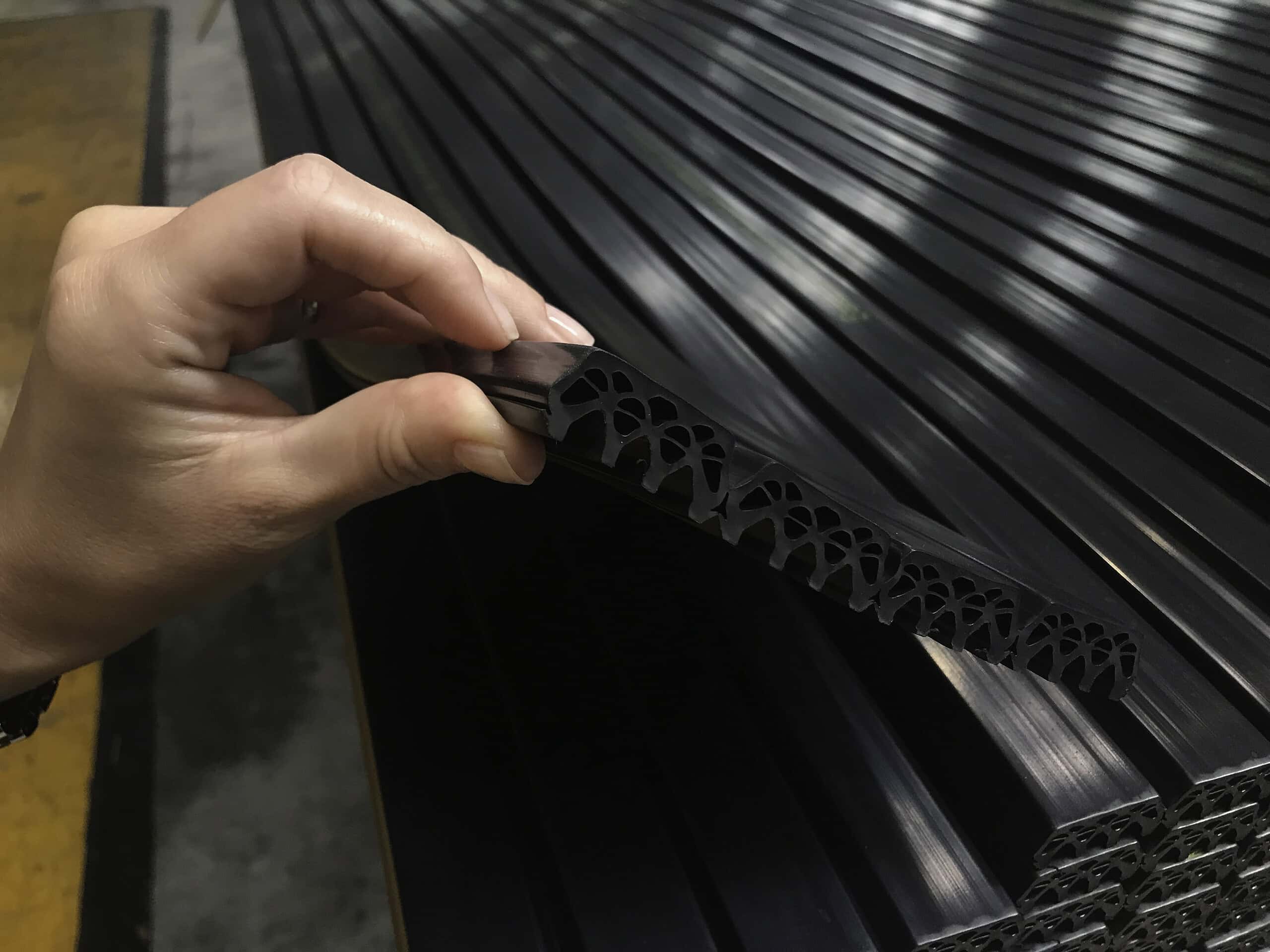
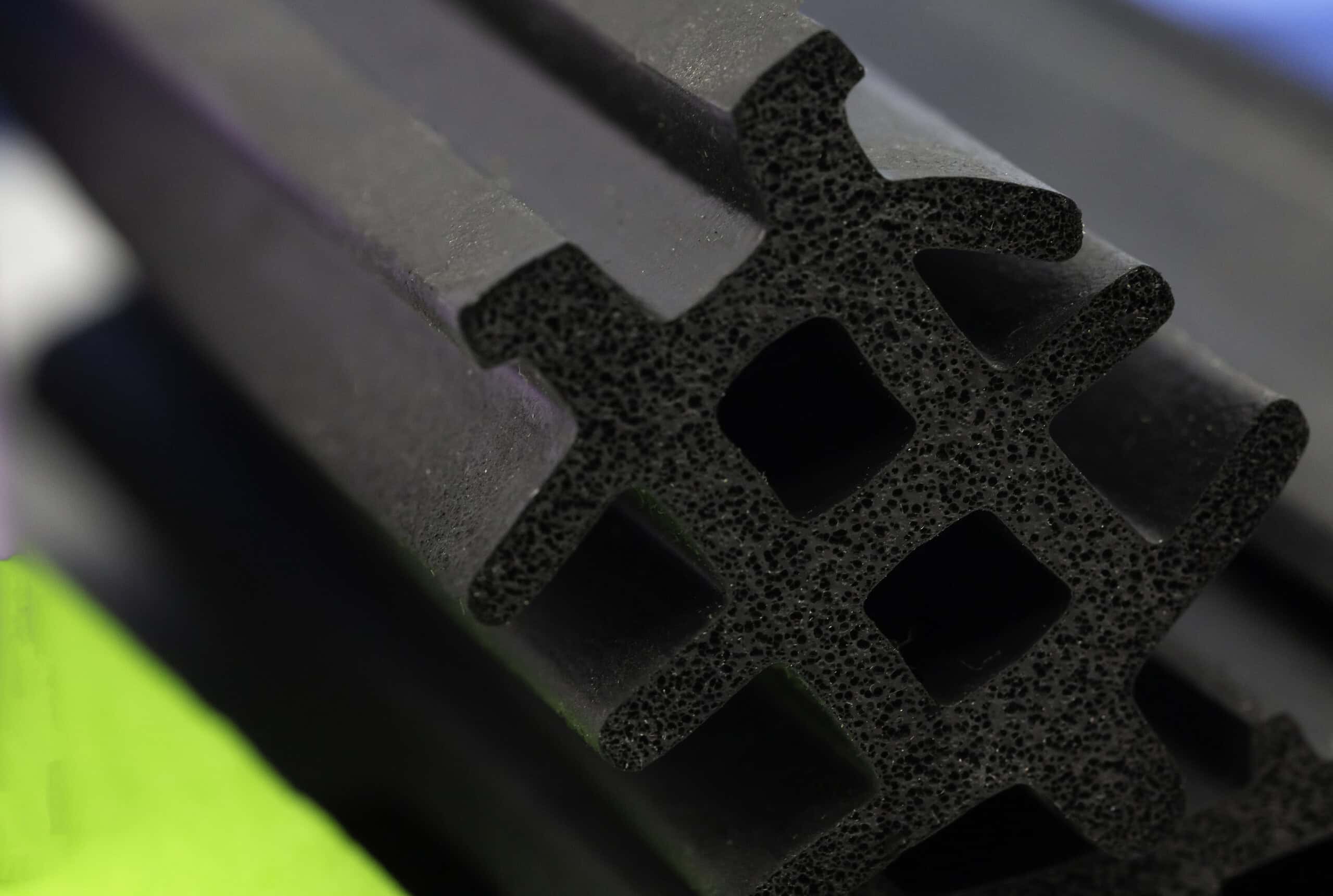
In applications requiring more structured sealing components, materials such as silicone rubber tubing can be used alongside adhesives to improve performance and durability.
When to Use Silicone Glue
Silicone is particularly useful in situations where movement or environmental exposure would cause other adhesives to fail.
It is ideal for:
- Outdoor applications exposed to weather
- High-temperature environments
- Flexible joints and connections
- Areas subject to vibration
Choosing silicone in these scenarios helps ensure a longer-lasting bond.
Common Mistakes to Avoid
To achieve the best results with silicone adhesive, it is important to apply it correctly.
Common mistakes include:
- Applying to dirty or oily surfaces
- Using excessive adhesive
- Not allowing sufficient curing time
- Using the wrong type of silicone for the application
Proper preparation and application will significantly improve bonding performance.
FAQs
Q1: Is silicone glue waterproof?
Yes, silicone is highly waterproof and is commonly used for sealing and bonding in wet environments.
Q2: Can silicone bond different materials?
Silicone can bond a wide range of materials, including glass, metal, plastic and rubber.
Q3: How long does silicone glue take to cure?
Curing time varies depending on the product, but most silicone adhesives require several hours to fully cure.
Summary
Silicone adhesive offers a flexible, durable alternative to standard adhesives. Its ability to withstand movement, moisture and temperature changes makes it a reliable choice across many applications.
For high-quality silicone materials and custom solutions, contact Silco Products today.
Phone: 01903 732088
Email: silcoproducts@gmail.com
Find out more: https://siliconerubberproducts.co.uk/
Find us
FURTHER READING