What Are the Most Common Custom Silicone Rubber Products?
The most common custom silicone rubber products include extruded profiles, gaskets, seals, strips, tubing and other bespoke components designed around a particular industrial or OEM application.
Customisation becomes useful when a standard component does not fit the available space, provide the required compression or meet the material requirements of the finished product.
For manufacturers, engineers and procurement teams, this can make silicone especially versatile. Instead of redesigning an assembly around an off-the-shelf rubber product, the rubber component itself can often be produced to suit the equipment.
The exact form depends on the job the silicone needs to perform. In some cases, a simple cut strip is enough. In others, a more complex extrusion or purpose-made gasket is required.
Which silicone rubber products are commonly made to order?
Custom silicone components can take many forms, but most fall into a few broad categories.
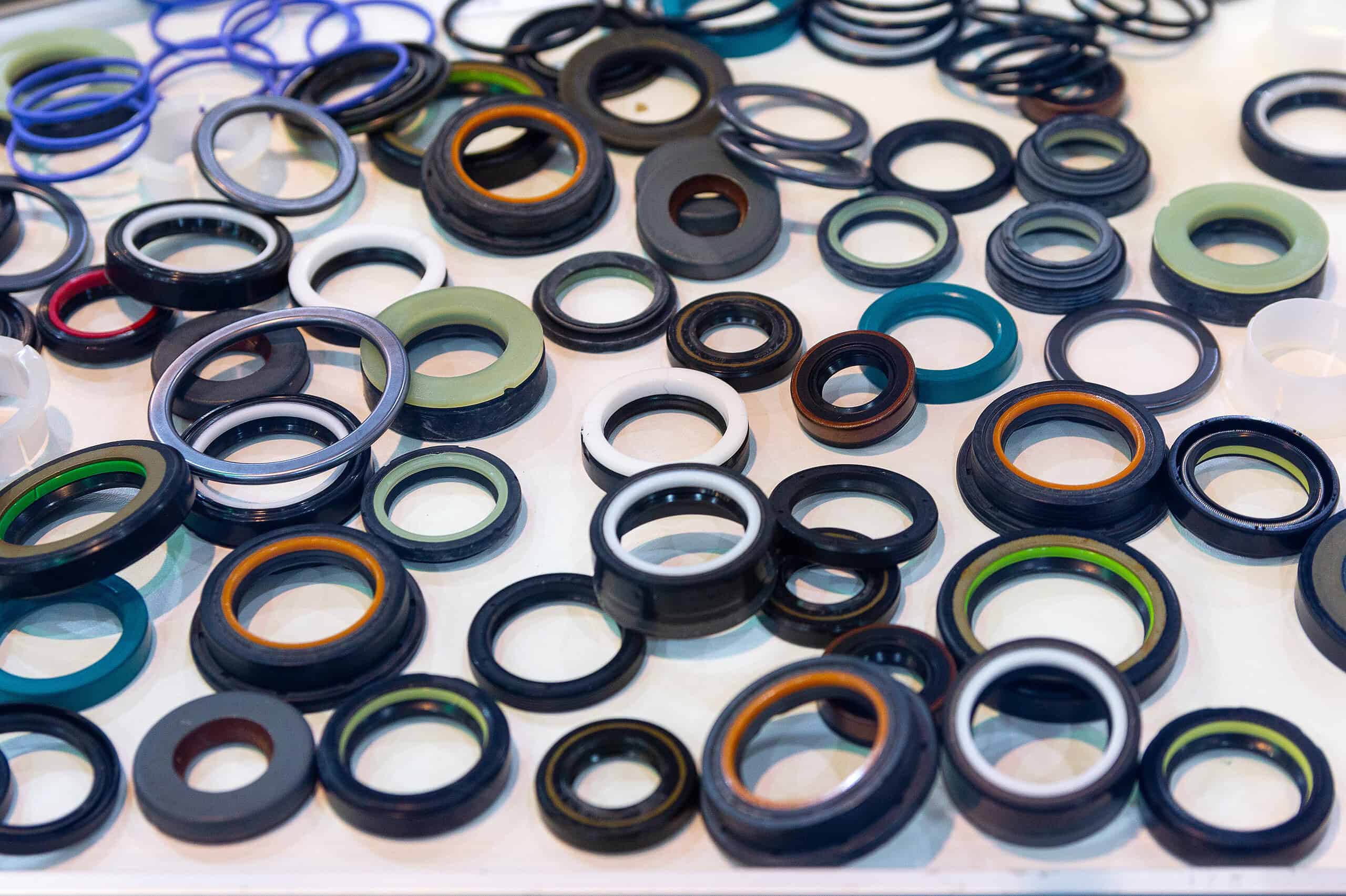
Common examples include bespoke extrusions, sealing profiles, gaskets, O rings, strips and tubing.
The differences between them usually come down to shape, manufacturing method and intended function.
A gasket may be used between mating surfaces. A profile extrusion may fit into a channel. A strip can provide simple sealing or cushioning. Tubing can be produced to particular dimensions for routing fluids or providing flexible protection.
What makes the product custom is that its dimensions, geometry or material specification are developed around a particular requirement rather than selected solely from a standard range.
This approach can be especially useful where the silicone component forms part of a larger manufactured product.
Why are custom silicone extrusions so common?
Extrusions are among the most versatile custom silicone rubber products because the process allows continuous profiles to be manufactured in a wide range of cross-sectional shapes.
The uncured silicone is forced through a die that gives the extrusion its profile before the material is cured.
This allows manufacturers to create shapes that would be difficult to achieve using a simple strip or sheet material.
A bespoke extrusion may include:
- Solid rectangular or shaped sections
- Hollow bulbs for compressible sealing
- Retaining legs for fitting into channels
- Flexible sealing lips
- Grooves or channels within the profile
These features can be combined into a single component where appropriate.
How do bespoke profiles help with product design?
A standard strip may provide sufficient sealing in a simple joint, but more complex assemblies often need a profile that performs several functions at once.
For example, an extrusion could be designed to locate securely within a channel while also providing a flexible section that compresses against another surface.
This can make the component easier to integrate into OEM manufacturing.
The important point is that profile complexity should serve a clear purpose.
A more intricate extrusion is not automatically better. The best design is usually the simplest geometry that achieves the required fit, movement and sealing performance.
When are custom silicone gaskets required?
Gaskets create a seal between two mating surfaces and can be manufactured in shapes that match the surrounding assembly.
A standard circular or rectangular gasket may work in many applications, but bespoke equipment often requires more specific dimensions.
Custom gaskets can be particularly useful where bolt holes, openings or unusual external shapes need to align precisely with the equipment.
The gasket specification can also take account of thickness, hardness and expected compression.
This matters because a gasket needs to deform sufficiently to create a seal without being compressed unnecessarily.
Silco Products supplies silicone rubber gaskets for industrial and specialist requirements.
Does gasket thickness matter?
Yes.
A thicker gasket can accommodate larger surface variation, but it may also behave differently under compression.
A thinner gasket can be appropriate where surfaces are already closely matched and the available space is limited.
The correct thickness depends on the design of the joint rather than on a universal rule.
Engineers should therefore consider surface condition, clamping force, movement and the expected operating environment when specifying a custom gasket.
What types of custom silicone seals are used?
The term “seal” can refer to a wide range of components.
Some are simple strips placed between surfaces. Others are highly engineered profiles designed to compress in a specific way.
Custom silicone seals may be developed for panels, housings, doors, enclosures and industrial equipment where a standard profile is unsuitable.
The choice between a solid and hollow seal can be particularly important.
Solid sections generally offer greater resistance to compression, while hollow sections can compress more readily with less closing force.
Thin sealing lips may also be incorporated where the profile needs to flex against an adjacent surface.
The right geometry depends on the gap, movement and amount of available compression.
Are custom silicone strips widely used?
Yes.
Silicone strips are one of the simplest custom formats and can be useful for sealing, spacing, cushioning or isolating surfaces.
They can be particularly practical where a rectangular cross-section provides all the functionality required.
Customisation may involve selecting a particular width, thickness, hardness or cut length.
Using a simple strip instead of a complex extrusion can sometimes make both specification and installation easier.
This is why designers should avoid assuming that a bespoke component needs an intricate profile.
If the application only requires a straightforward flexible section, silicone rubber strips may provide an effective solution.
Can silicone tubing be made to custom dimensions?
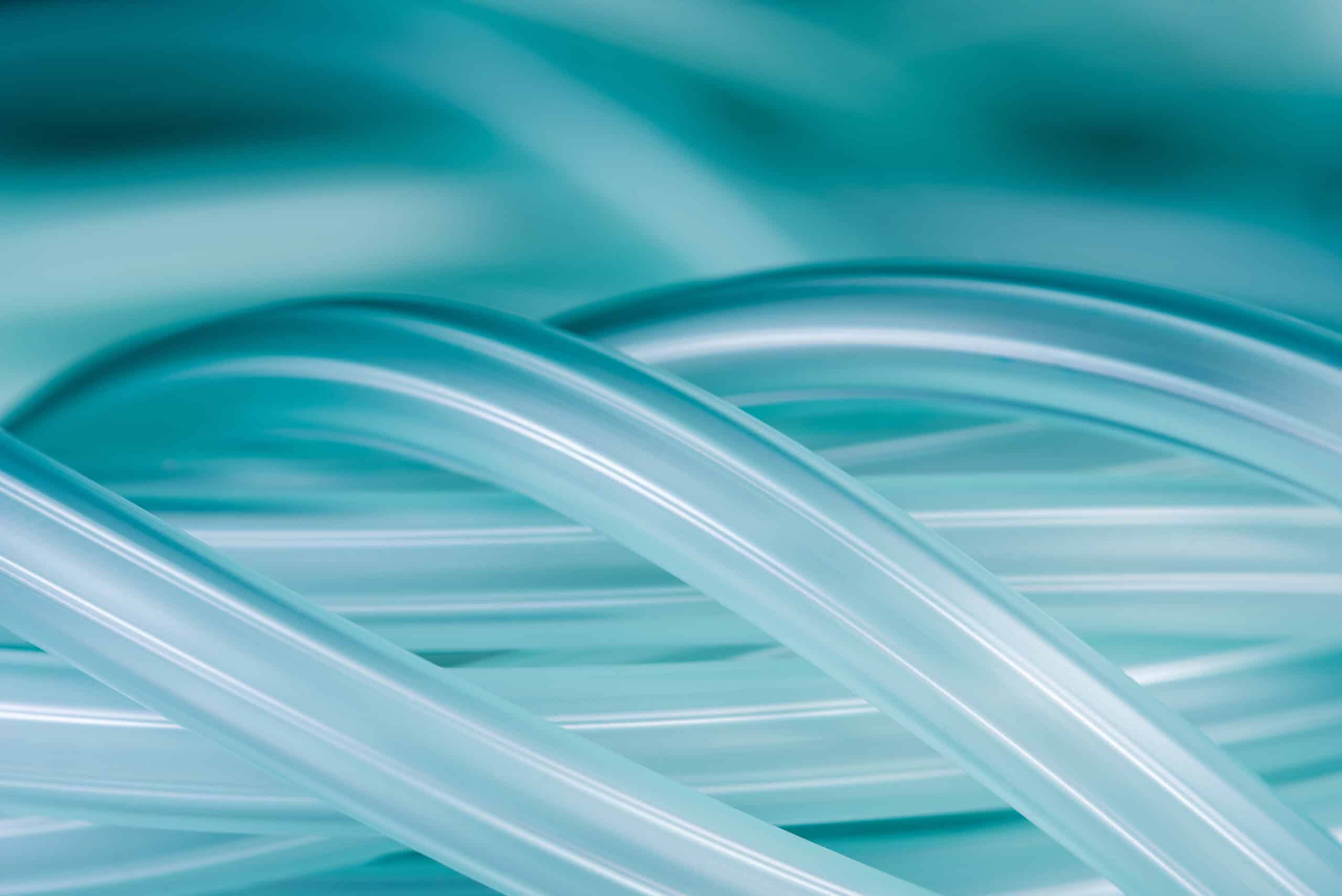
Silicone tubing can be specified according to dimensions such as internal diameter, outside diameter and wall thickness.
These dimensions affect fit, flexibility and the way the tubing behaves within the application.
Custom requirements can be useful where tubing needs to fit particular connectors, pass through a restricted space or provide a defined wall thickness.
Material requirements also need to be considered.
Different silicone tubing grades may be appropriate for different industrial or specialist applications, depending on curing method, purity, temperature and other performance requirements.
Further information is available on silicone rubber tubing.
Why are tubing dimensions important?
A tube is not defined by diameter alone.
Its wall thickness can influence flexibility and resistance to deformation, while the internal diameter affects how it fits over connectors or carries material.
For OEM manufacturing, even relatively small dimensional differences can influence assembly.
The most important measurements should therefore be identified early, particularly where tubing needs to interface with other components.
What about custom O rings?
O rings are simple in appearance, but they rely on careful dimensional control and material selection.
They usually create a seal by being compressed within a groove between two mating surfaces.
Custom requirements may involve non-standard diameters, cross-sections or silicone compounds suited to particular operating conditions.
Silicone can be useful where temperature flexibility and environmental resistance are important.
However, it is not the best choice for every O ring application.
Where oils, fuels, abrasion or dynamic movement are significant, another elastomer may sometimes be more appropriate.
The component should therefore be specified according to the complete environment rather than simply because silicone is available.
Why do OEMs often need custom silicone components?
OEM products frequently contain components with proprietary dimensions.
A seal designed for one enclosure may not fit another. A tube may need to connect to a particular fitting, while a profile may need to lock into a specially designed channel.
Custom silicone manufacturing allows the rubber component to be developed around those dimensions.
This can support consistency during assembly and reduce the need for operators to modify standard parts manually.
For a production environment, that repeatability can be particularly valuable.
If a standard component needs trimming, stretching or adjusting every time it is installed, the process becomes more dependent on the operator.
A component designed for the application can help make fitting more predictable.
How do custom products combine multiple functions?
One of the benefits of bespoke silicone design is the possibility of combining functions within a single component.
For example, an extrusion could provide both retention and sealing.
A gasket might incorporate openings that align directly with fixings and service ports.
A custom strip could provide both spacing and cushioning at a particular thickness.
This can sometimes reduce the number of separate parts needed within an assembly.
However, combining functions should only be done where it improves the overall design.
An overly complicated component can make tooling, extrusion or installation more difficult.
The aim should be functional simplicity rather than complexity for its own sake.
What properties can be specified for a custom silicone component?
Geometry is only one part of custom manufacturing.
The material itself may also need to meet particular requirements.
Depending on the component and application, engineers may need to consider silicone hardness, temperature resistance, colour, environmental exposure and compatibility with substances encountered in service.
Some applications may also require particular silicone grades or compliance characteristics.
These requirements should be identified before production begins.
A component can have the correct dimensions but still be unsuitable if the material does not match the operating environment.
For this reason, the best specifications consider both geometry and material performance together.
How important are tolerances for custom silicone products?
Tolerances are important, but they need to reflect the behaviour of rubber manufacturing.
Silicone is flexible and can change slightly during extrusion and curing.
It should not automatically be expected to achieve the same dimensional precision as a machined rigid component.
Critical dimensions should be identified according to function.
For example, the feature that fits into a retaining channel may need relatively close control, while a flexible sealing lip may tolerate greater dimensional variation because it is designed to deform during use.
Applying very tight tolerances to every dimension can increase manufacturing difficulty without improving performance.
A better approach is to identify the dimensions that affect assembly and sealing, then agree realistic tolerances for the remainder.
What information should buyers provide?
A useful custom silicone enquiry should explain more than simply the desired shape.
A drawing is valuable because it establishes the nominal dimensions and profile geometry.
However, manufacturers also benefit from understanding how the component will be used.
Relevant information may include operating temperature, expected compression, exposure to UV or weather, chemical contact and whether the component moves during service.
Hardness requirements and critical tolerances should also be identified where known.
If the product forms part of an OEM assembly, information about surrounding components can help explain why particular dimensions are important.
The better the application is understood, the easier it becomes to assess whether the proposed design is practical.
Should a standard product be considered first?
Yes.
Custom manufacturing is useful, but it should not automatically be the first choice.
If a standard tube, strip or gasket already provides the required dimensions and performance, using it may simplify procurement.
A custom component becomes more valuable when the available standard products create compromises.
These might include poor fit, excessive trimming, difficult assembly or a sealing geometry that does not behave correctly.
The decision should therefore be based on function and efficiency.
Customisation has the greatest value when it solves a genuine engineering or manufacturing problem.
Frequently Asked Questions
Can silicone rubber products be made from an engineering drawing?
A drawing is a useful starting point for a custom silicone component because it defines the required dimensions and geometry. Information about the operating environment, critical tolerances and intended function should also be supplied where possible.
Are custom silicone products only suitable for large orders?
Not necessarily. Whether bespoke production is appropriate depends on the component, tooling requirements and expected quantities. The practical and commercial requirements should be discussed for each project.
What is the difference between a silicone strip and a custom extrusion?
A strip is generally a relatively simple section, often rectangular, while a custom extrusion can incorporate a much more complex cross-sectional shape. The appropriate product depends on the sealing, fitting or cushioning function required.
Choosing the right custom silicone rubber product
The most common custom silicone rubber products include extrusions, gaskets, seals, strips, tubing and O rings.
Each format solves a different type of engineering requirement.
Simple applications may only need a strip cut to the correct dimensions, while more complex equipment can benefit from a bespoke profile specifically designed around a channel, housing or sealing surface.
The best solution begins with the function of the component.
Engineers should consider geometry, compression, hardness, operating temperature, environmental exposure, chemicals and manufacturing tolerances together.
This helps ensure that customisation adds genuine value rather than unnecessary complexity.
Silco Products manufactures and supplies silicone rubber products for industrial, commercial and specialist applications, including bespoke requirements. To discuss a drawing, sealing requirement or custom silicone component, contact Silco Products.
Phone: 01903 732088
Email: sales@silcoproducts.co.uk
Find out more: https://siliconerubberproducts.co.uk/
FURTHER READING