A Homeowner’s Guide to UPVC Door Seals Replacement
Introduction
UPVC door seals replacement is an important step in maintaining insulation, preventing draughts and protecting internal environments from moisture. Over time, door seals can wear down, losing flexibility and effectiveness. Replacing them ensures doors continue to perform efficiently, particularly in environments exposed to varying weather conditions.
What UPVC Door Seals Do
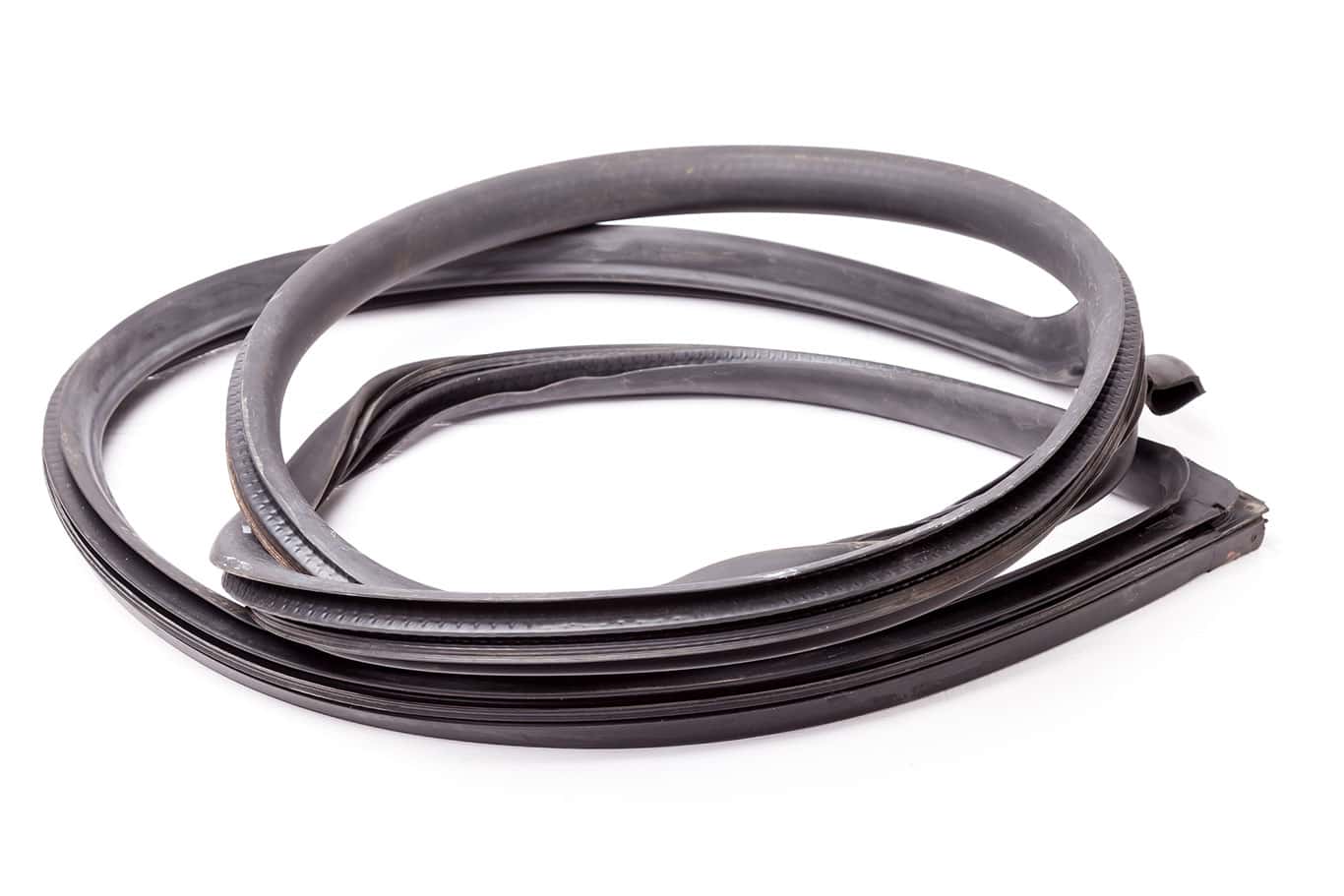
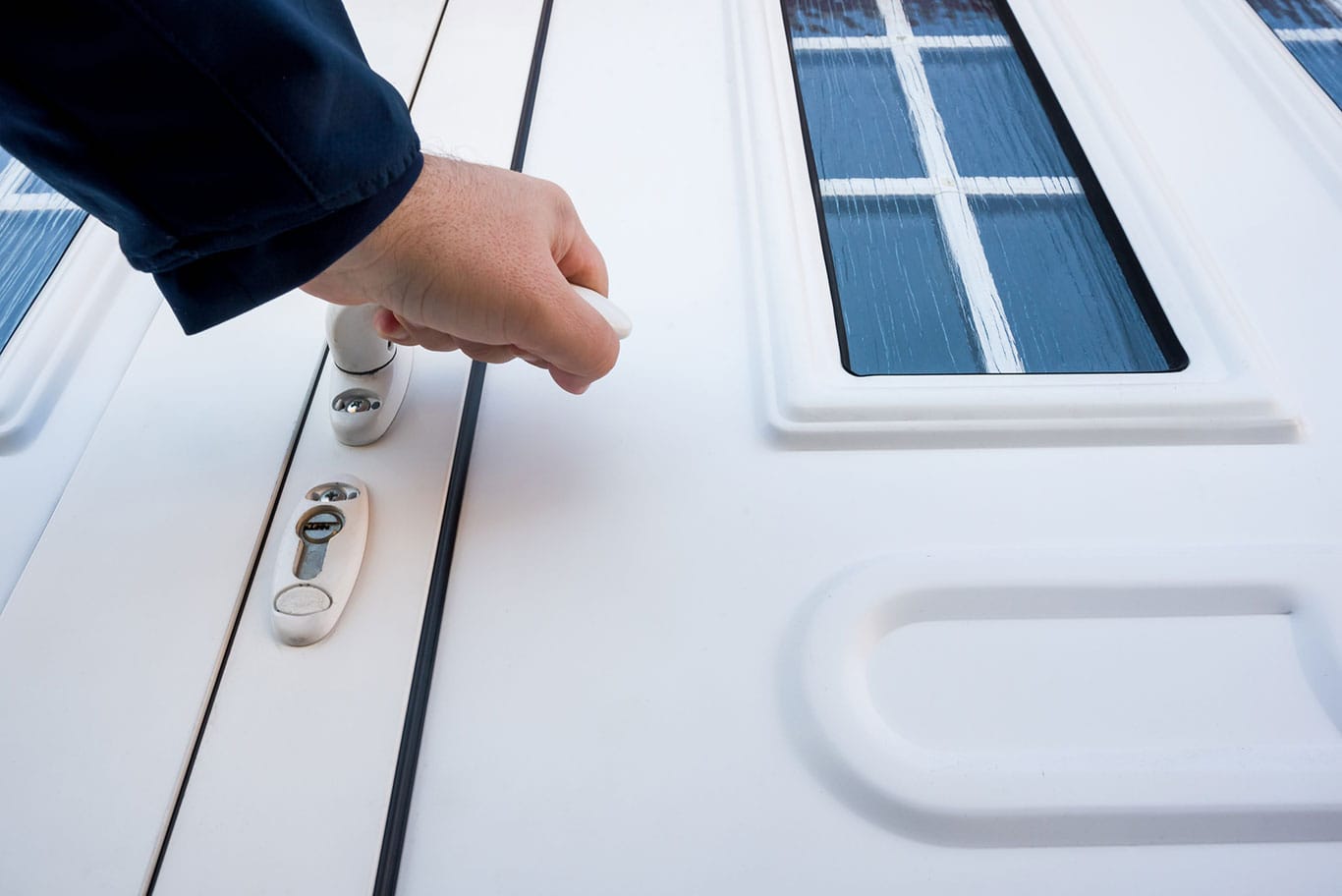
UPVC door seals are designed to create a tight barrier between the door and frame. This prevents air, water and debris from entering while helping maintain consistent indoor temperatures.
They also contribute to:
- Improved energy efficiency
- Reduced external noise
- Protection against moisture ingress
- Better overall door performance
When seals are functioning properly, they are often unnoticed but play a crucial role.
Signs You Need UPVC Door Seals Replacement
Over time, seals degrade due to constant compression and environmental exposure. Recognising the signs early helps prevent larger issues.
Common indicators include:
- Noticeable draughts around the door
- Increased heating costs
- Visible cracks or flattening of the seal
- Difficulty closing the door properly
- Water ingress during heavy rain
If any of these issues are present, upvc door seals replacement is likely required.
Benefits of UPVC Door Seals Replacement
Replacing worn seals provides immediate and long-term benefits.
- Improved insulation and reduced heat loss
- Enhanced comfort by eliminating draughts
- Protection against water penetration
- Lower energy consumption
- Extended lifespan of the door system
A properly fitted seal restores the door’s original performance.
Choosing the Right Replacement Seal
Selecting the correct seal is essential for achieving an effective result.
Key factors to consider:
- Compatibility with the door profile
- Material flexibility and durability
- Resistance to weather and UV exposure
- Ease of installation
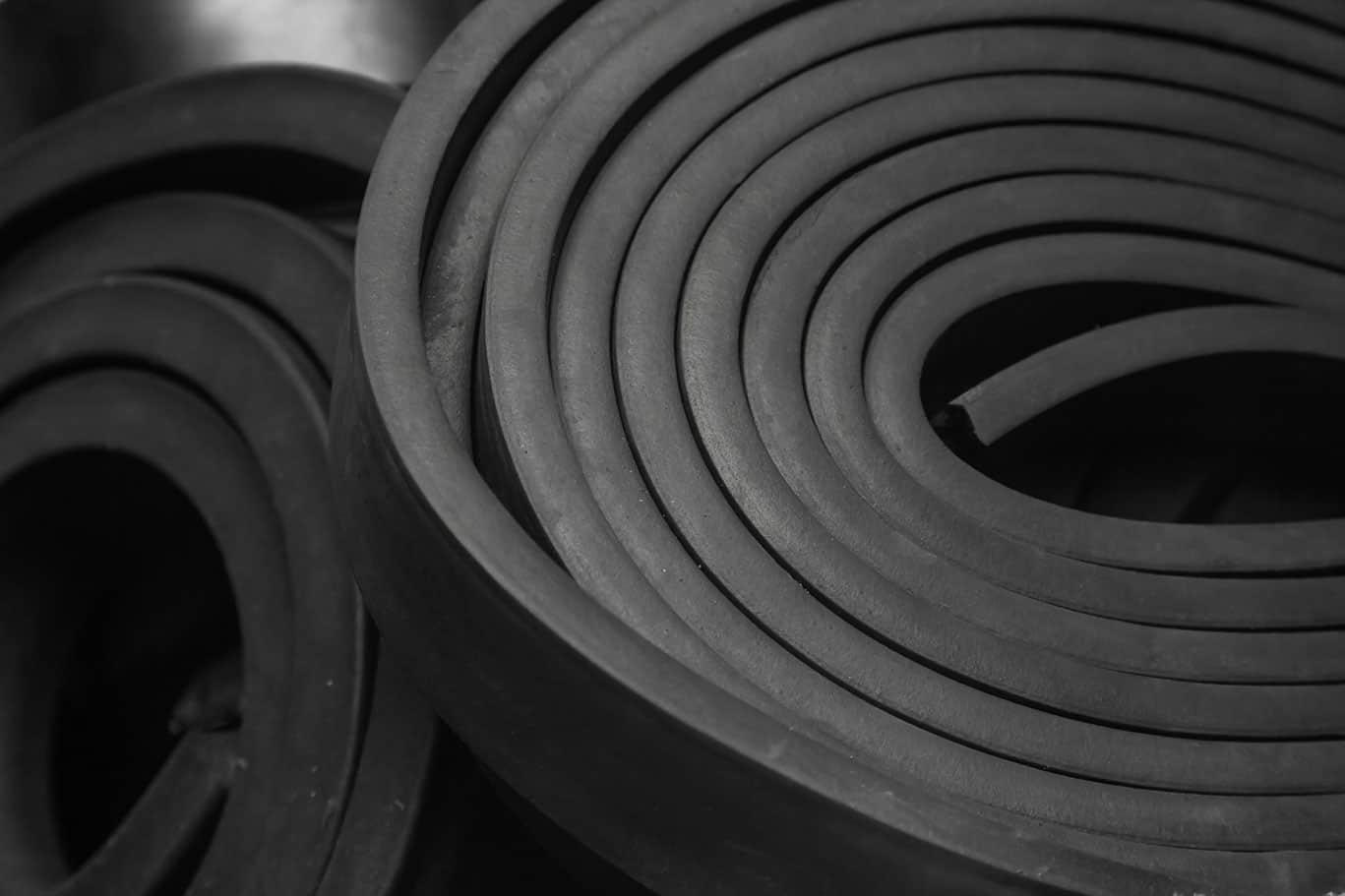
High-quality silicone-based materials are often preferred due to their ability to maintain flexibility over time.
For more durable sealing options, products such as silicone rubber strips are commonly used in sealing applications where consistent performance is required.
The Replacement Process
UPVC door seals replacement is generally straightforward but must be done carefully to ensure proper sealing.
Typical steps include:
- Removing the old seal from the groove
- Cleaning the channel thoroughly
- Cutting the new seal to size
- Pressing the new seal into place evenly
Ensuring a snug and consistent fit is key to achieving an effective seal.
Preventing Future Seal Issues
Once replacement is complete, regular maintenance helps extend the lifespan of the new seal.
Best practices include:
- Cleaning seals periodically to remove dirt and debris
- Checking for early signs of wear
- Avoiding excessive force when closing doors
- Inspecting seals after extreme weather conditions
Maintaining the seal helps ensure long-term performance and reduces the need for frequent replacement.
FAQs
Q1: How often should UPVC door seals replacement be done?
Seals typically last several years, but this depends on usage and exposure to environmental conditions.
Q2: Can I replace UPVC door seals myself?
Yes, in many cases replacement is straightforward, but ensuring the correct seal type is essential.
Q3: What material is best for door seals?
Silicone-based seals are often preferred due to their durability and resistance to temperature changes.
Summary
UPVC door seals replacement is a simple yet effective way to improve insulation, prevent draughts and protect against moisture. Choosing the right material and maintaining the seal ensures long-lasting performance.
For high-quality sealing materials and expert support, contact Silco Products today.
Phone: 01903 732088
Email: silcoproducts@gmail.com
Find out more: https://siliconerubberproducts.co.uk/
Find us
FURTHER READING