
Rubber
What Are the Key Differences Between Silicone and PVC Tubing?
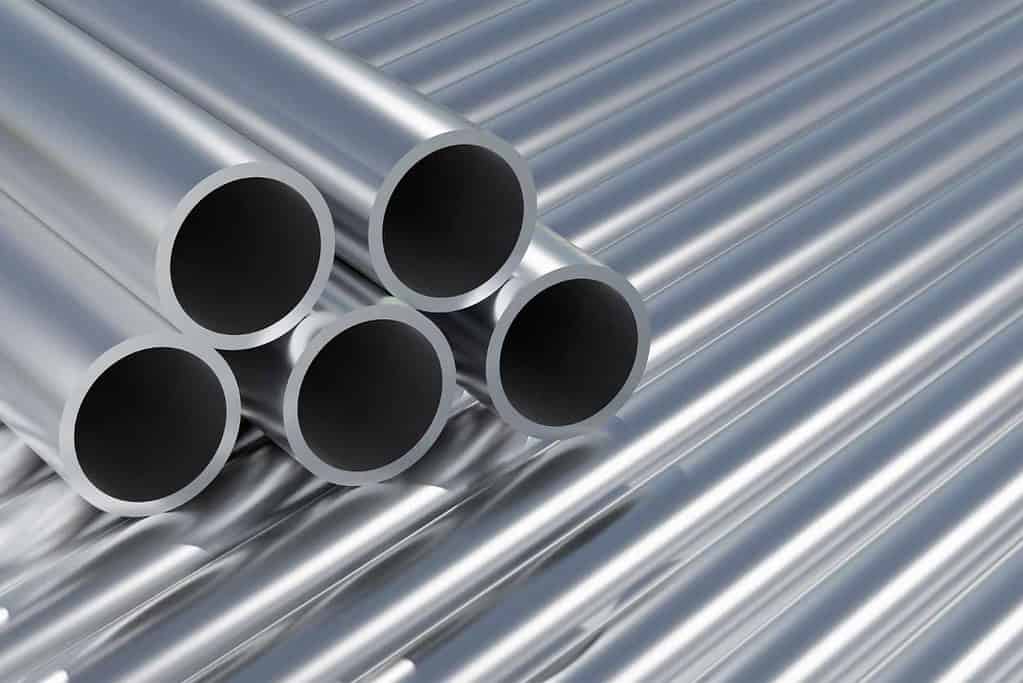
The key differences between silicone and PVC tubing relate to temperature resistance, flexibility, material composition, chemical compatibility, durability and intended use. Silicone tubing is often selected where flexibility, temperature stability and a clean material profile are important. PVC tubing is commonly chosen for general fluid transfer where cost, transparency and practical everyday performance are priorities.…
Read MoreWhat Should You Consider When Choosing Silicone Gasket Thickness?
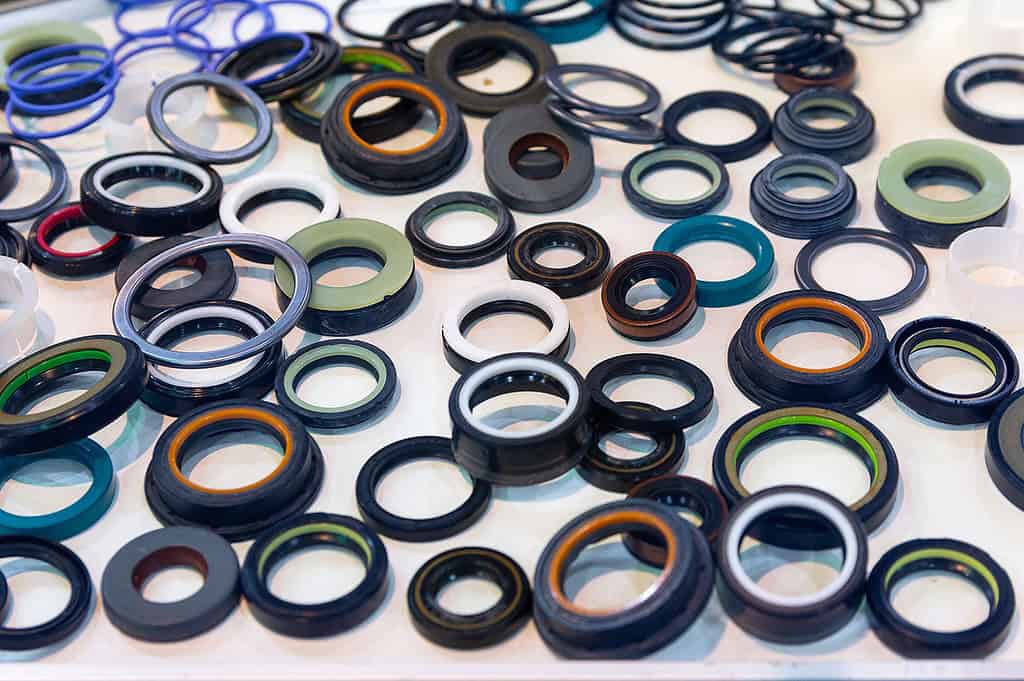
Choosing the correct silicone gasket thickness requires more than measuring the visible gap between two surfaces. The gasket must compress sufficiently to form a seal, accommodate surface variation and remain stable under the expected load, temperature and operating conditions. A gasket that is too thin may not make consistent contact across the joint. A gasket…
Read MoreWhat Causes Silicone Rubber Seals to Fail Prematurely?
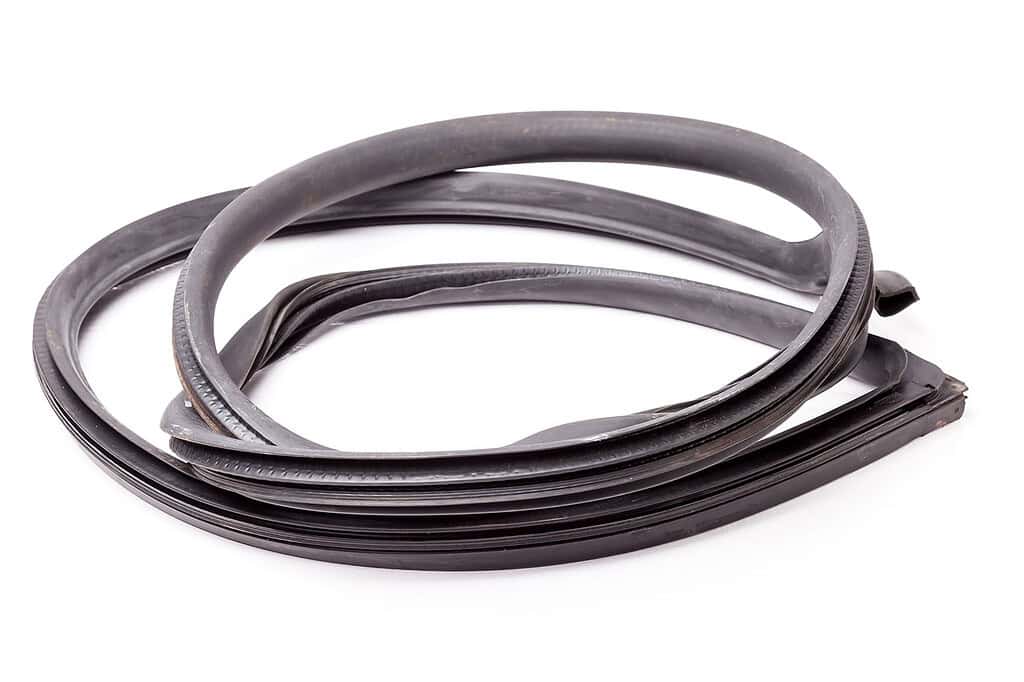
Silicone rubber seals can fail prematurely when their material, dimensions or installation do not match the conditions of the application. Common causes include excessive compression, insufficient compression, chemical incompatibility, heat exposure beyond the material’s limits, poor fitting, mechanical damage and irregular maintenance. A seal can also fail because of problems elsewhere in the assembly. Distorted…
Read MoreHow Are Silicone Rubber Seals Tested for Durability?
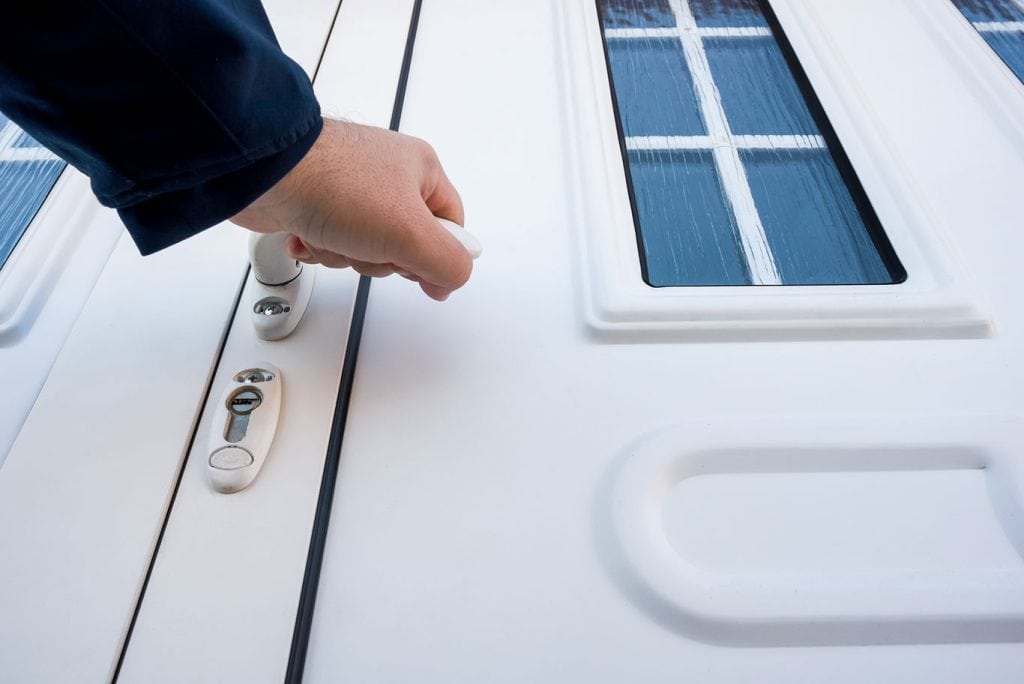
Silicone rubber seals are tested for durability by measuring how well they retain their shape, flexibility, strength and sealing performance after exposure to compression, temperature changes, repeated movement, weathering and contact with relevant substances. There is no single test that can prove a seal will perform reliably in every application. A static gasket fitted to…
Read MoreWhat Are the Most Common Applications for Silicone Rubber Sheeting?

Silicone rubber sheeting is used across manufacturing, engineering, food processing, electrical equipment, transport and specialist industrial applications. Its main uses include making gaskets, seals, protective liners, cushioning pads, insulation barriers, flexible covers and fabricated rubber components. The material is often selected because it combines flexibility with resistance to temperature changes, weathering and repeated compression. Silicone…
Read MoreHow Do Custom Silicone Rubber Products Reduce Maintenance Costs?
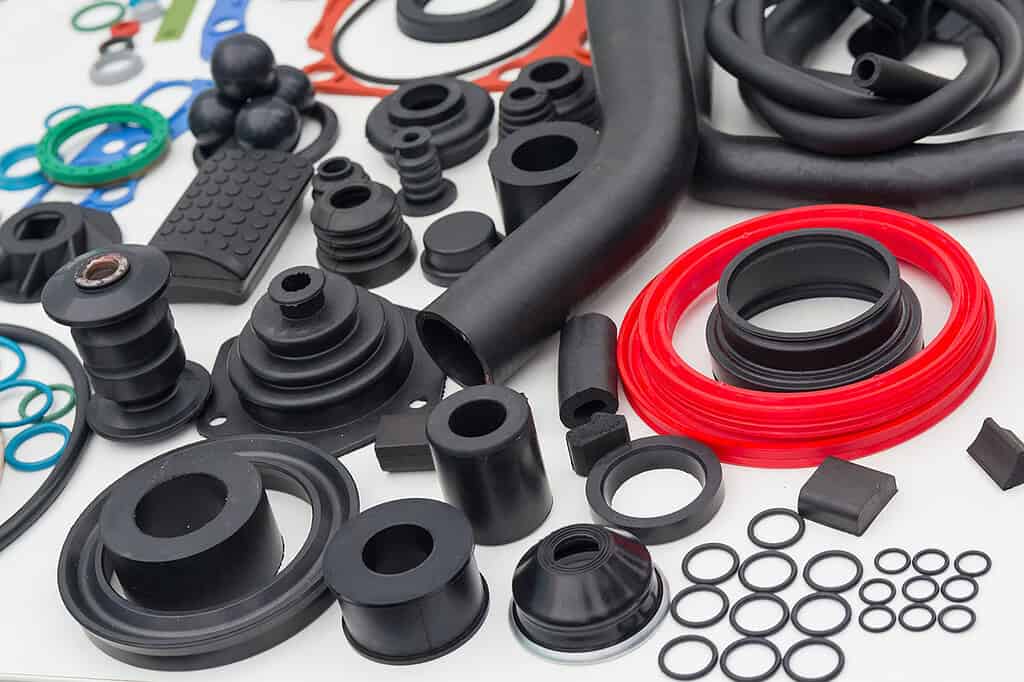
Custom silicone rubber products can reduce maintenance costs by fitting an application more accurately, performing more consistently and lasting longer under the intended operating conditions. Rather than adapting machinery or assemblies around an approximate standard component, manufacturers can specify a rubber part that matches the required dimensions, movement, temperature, compression and sealing function. This can…
Read MoreHow Do Silicone Rubber Strips Help With Weather Sealing?
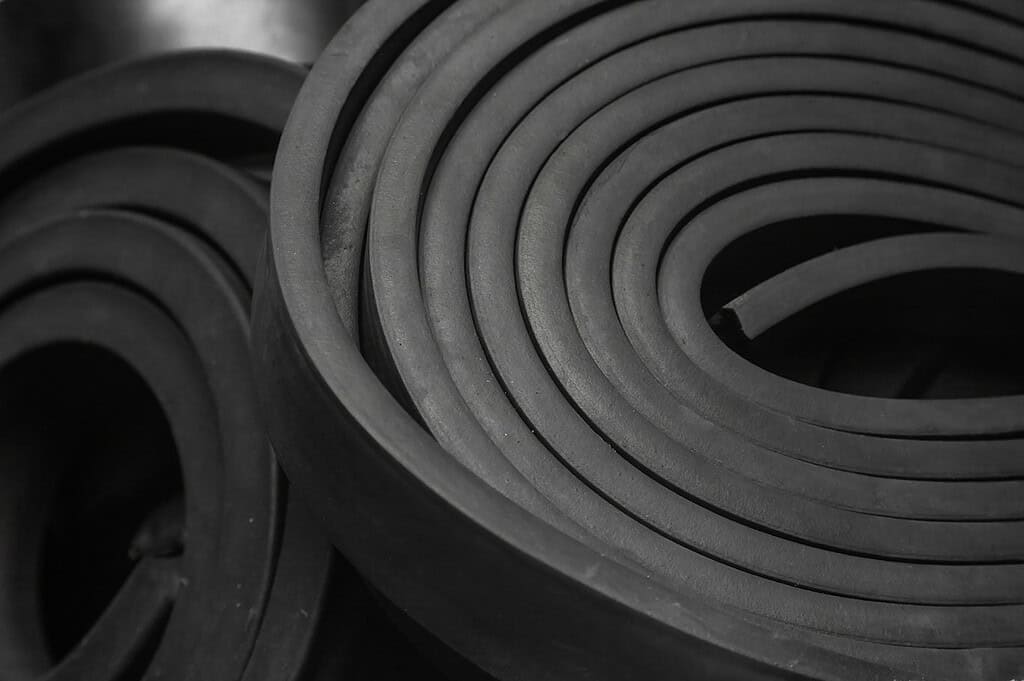
Silicone rubber strips help with weather sealing by creating a flexible barrier between two surfaces. When the strip is compressed, it fills small gaps and irregularities that might otherwise allow rainwater, draughts, dust or other contaminants to pass through. This makes silicone rubber strips useful across industrial, commercial and specialist manufacturing applications where components, doors,…
Read MoreWhat are the differences between silicone and EPDM rubber?
Silicone and EPDM are two of the most widely used rubber materials in industrial manufacturing and engineering applications. Both offer flexibility, durability and environmental resistance, but they are designed for different operating conditions and performance requirements. Choosing between silicone and EPDM rubber depends on factors such as temperature exposure, weather resistance, chemical compatibility, compliance requirements…
Read MoreHow do silicone O rings perform in high pressure environments?
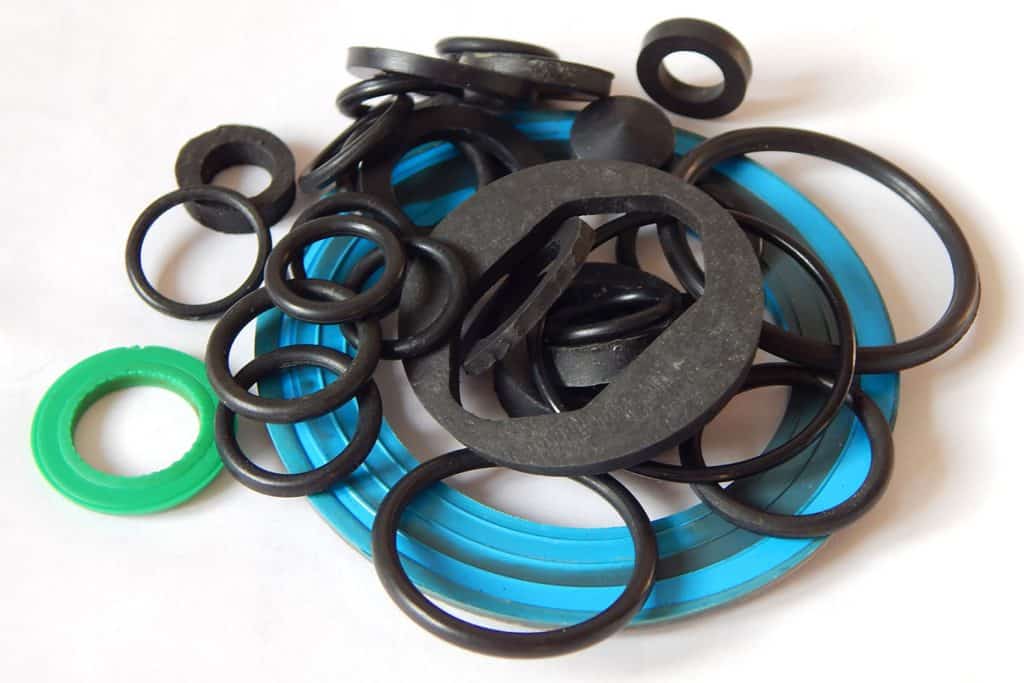
Silicone O rings are widely used in sealing applications across industries such as manufacturing, automotive engineering, food processing, electronics and healthcare. Their flexibility, temperature resistance and environmental durability make them highly effective in many operating conditions. However, when silicone O rings are used in high pressure environments, engineers and buyers must consider more than basic…
Read MoreWhat are the advantages of FDA approved silicone rubber?

FDA approved silicone rubber is widely used in industries where hygiene, safety and material compliance are essential. From food processing equipment to medical systems and pharmaceutical manufacturing, silicone rubber offers a combination of durability, flexibility and thermal stability that makes it highly suitable for regulated environments. However, not all silicone rubber products are manufactured to…
Read More