Common Problems Solved by Washing Machine Seal Replacement
Introduction
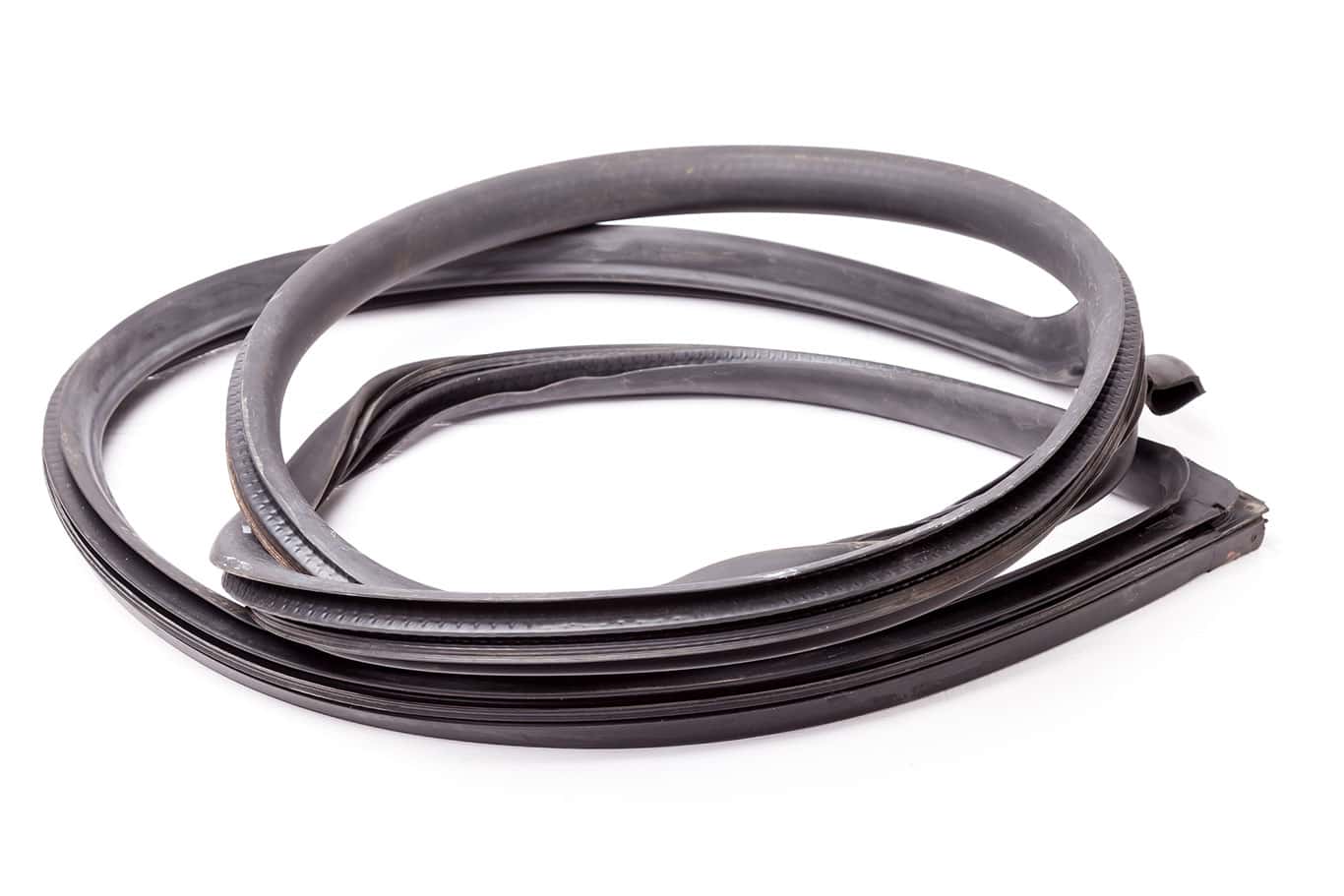
Washing machine seal replacement is often necessary when leaks, odours or poor washing performance start to appear. The rubber door seal, also known as a gasket, plays a critical role in keeping water contained during cycles. Over time, this seal can wear out, leading to a range of issues that affect both the appliance and surrounding area.
What the Washing Machine Seal Does
The washing machine seal forms a watertight barrier between the drum and the door. It prevents water from escaping during operation while also protecting internal components.
Because the seal is constantly exposed to moisture, detergents and movement, it is one of the most commonly worn parts in a washing machine.
Common Problems Caused by a Worn Seal
When a seal begins to fail, several issues can arise.
- Water leaks during cycles
- Mould and unpleasant odours
- Reduced washing efficiency
- Damage to surrounding flooring or cabinetry
Washing machine seal replacement is often the most effective way to resolve these problems and restore normal operation.
Signs You Need Washing Machine Seal Replacement
Recognising the early signs of wear can help prevent further damage.
Look for:
- Visible cracks or tears in the rubber
- Black mould build-up that cannot be removed
- Water pooling around the machine
- A loose or misaligned seal
If these issues are present, washing machine seal replacement should be considered as soon as possible.
Why Seals Deteriorate Over Time
Several factors contribute to seal degradation.
- Constant exposure to moisture
- Build-up of detergent residue
- High temperatures during wash cycles
- Physical wear from repeated use
These conditions gradually reduce the flexibility and effectiveness of the seal, making replacement necessary.
Benefits of Washing Machine Seal Replacement
Replacing a worn seal offers several practical benefits.
- Eliminates leaks and water damage risks
- Improves hygiene by reducing mould
- Restores washing performance
- Extends the lifespan of the appliance
A properly fitted replacement seal ensures the machine continues to operate efficiently.
Choosing the Right Replacement Seal
Selecting the correct seal is essential for a successful repair.
Consider:
- Compatibility with the machine model
- Material quality and durability
- Resistance to heat and detergents
- Proper fit and flexibility
High-quality materials such as silicone-based components provide improved longevity compared to standard rubber.
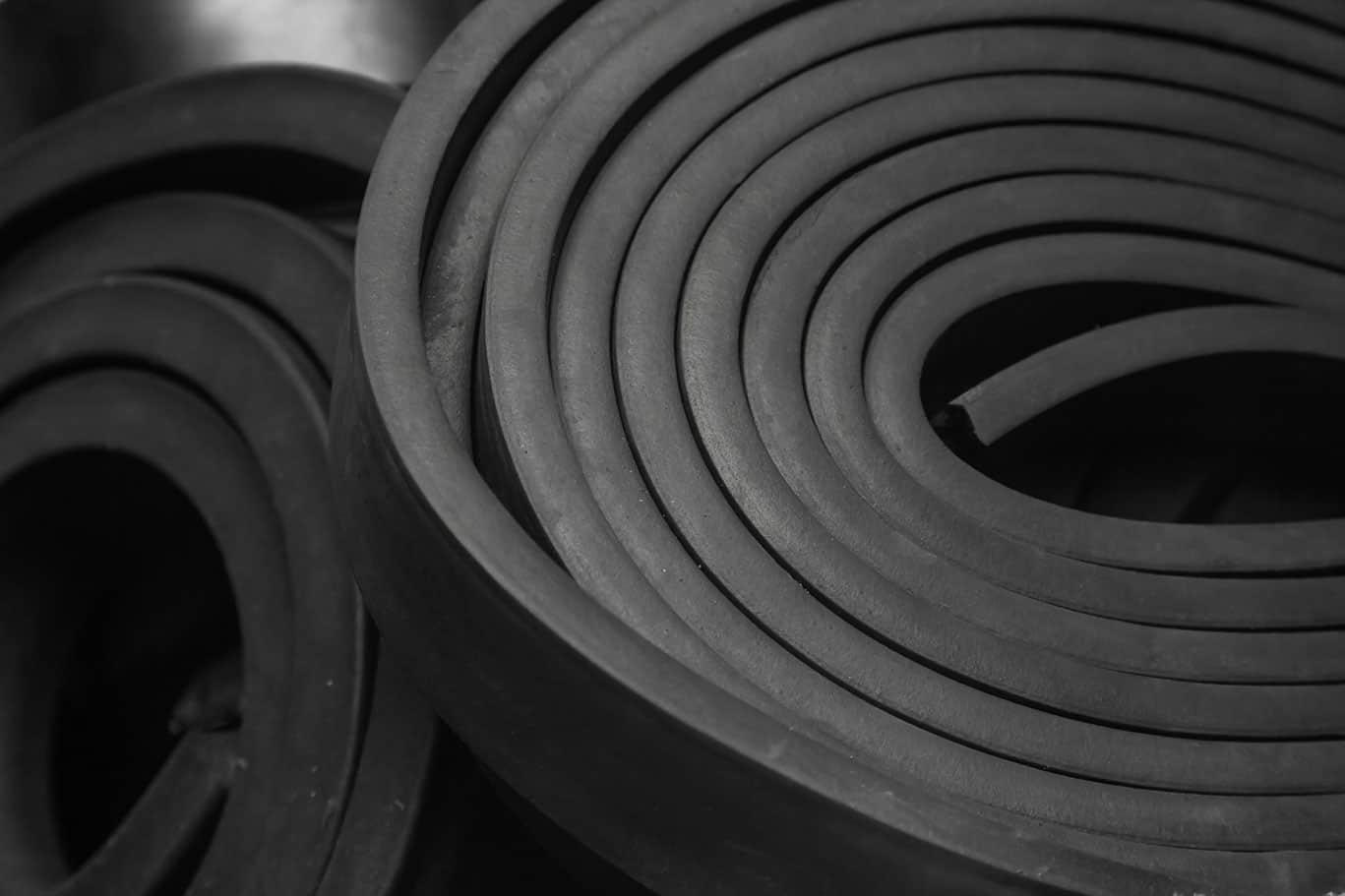
For more specialised sealing materials, options like silicone rubber gaskets may be suitable in certain engineered applications.
Preventing Future Seal Problems
After completing a washing machine seal replacement, ongoing maintenance can help extend the life of the new seal.
Best practices include:
- Leaving the door open after use to allow drying
- Regularly cleaning the seal to remove residue
- Avoiding overloading the machine
- Running periodic maintenance washes
These simple steps help reduce moisture build-up and prolong seal performance.
FAQs
Q1: How often should washing machine seal replacement be done?
It depends on usage, but seals typically last several years before needing replacement.
Q2: Can a damaged seal be repaired instead of replaced?
Minor issues may be cleaned, but damaged seals usually require full replacement.
Q3: What causes mould in washing machine seals?
Mould is caused by trapped moisture, detergent residue and lack of ventilation.
Summary
Washing machine seal replacement is a practical solution to common issues such as leaks, mould and reduced performance. Identifying problems early and replacing worn seals helps maintain efficiency and prevent further damage.
For high-quality sealing materials and expert support, contact Silco Products today.
Phone: 01903 732088
Email: silcoproducts@gmail.com
Find out more: https://siliconerubberproducts.co.uk/
Find us
FURTHER READING