Washing Machine Rubber Seal Cleaner Methods That Help Remove Mould
Introduction
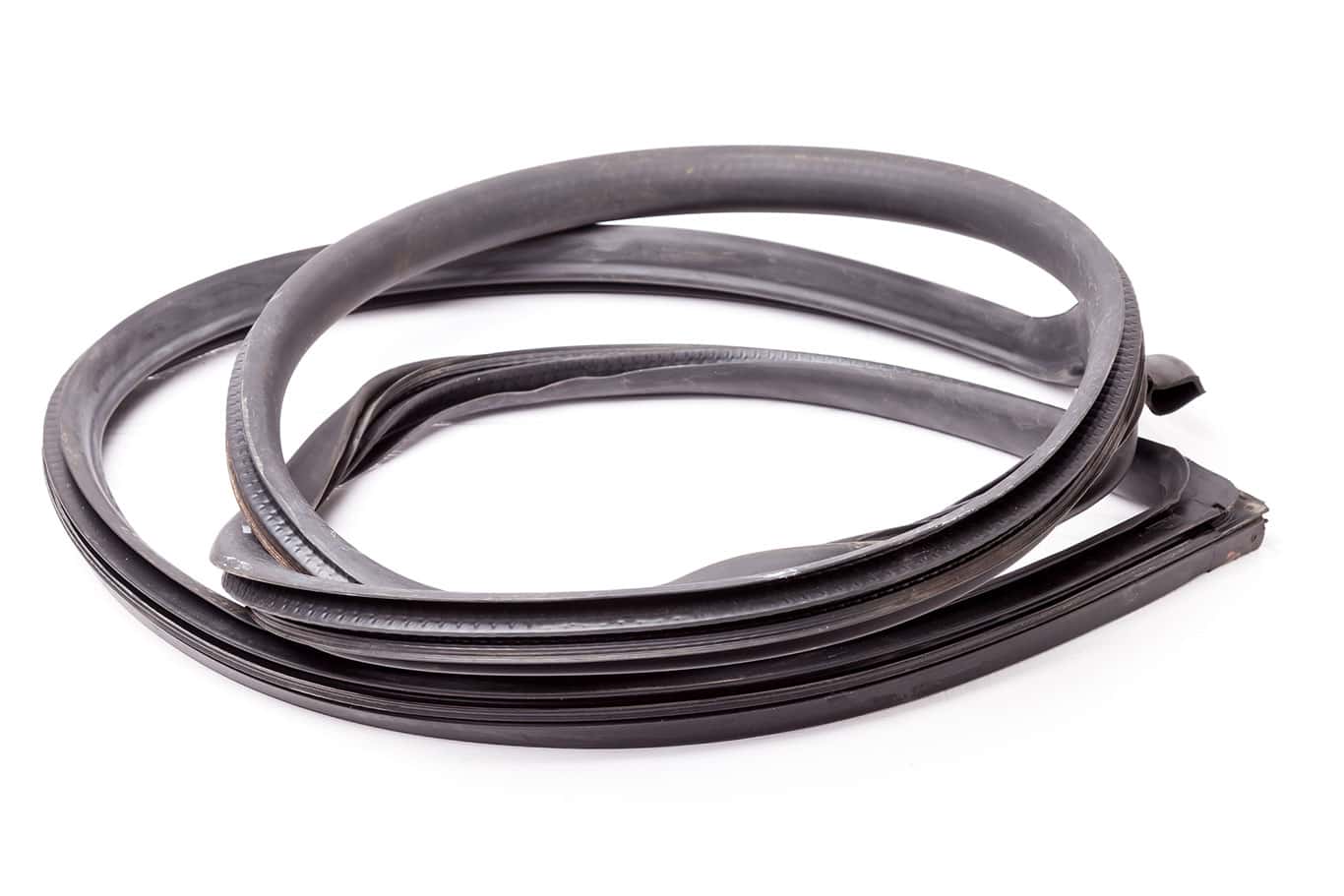
Using a washing machine rubber seal cleaner is essential for maintaining hygiene and preventing unpleasant odours. The rubber seal around the door is prone to trapping moisture, detergent residue and debris, creating the ideal conditions for mould growth. Regular cleaning not only improves cleanliness but also helps extend the lifespan of the appliance.
Why the Rubber Seal Gets Dirty
The washing machine rubber seal is constantly exposed to water, heat and detergents. Over time, this environment leads to build-up and contamination.
Common causes include:
- Residual detergent and fabric softener
- Trapped lint and debris
- Standing water after wash cycles
- Lack of ventilation between uses
These factors make regular use of a washing machine rubber seal cleaner necessary to maintain performance.
Signs You Need a Washing Machine Rubber Seal Cleaner
Recognising when cleaning is required helps prevent more serious issues.
Look for:
- Black mould or mildew on the seal
- Unpleasant odours from the machine
- Visible residue or grime build-up
- Dampness that does not dry between uses
If these signs are present, using a washing machine rubber seal cleaner should be a priority.
Effective Cleaning Methods
There are several ways to clean the rubber seal effectively, depending on the level of build-up.
Basic cleaning involves wiping the seal with a cloth and suitable cleaner to remove surface dirt. For more stubborn mould, a deeper clean may be required.
Effective cleaning steps include:
- Pulling back the seal to access hidden areas
- Applying a suitable cleaning solution
- Gently scrubbing with a soft brush
- Wiping away residue and moisture
Ensuring all areas are cleaned helps prevent mould from returning.
Choosing the Right Washing Machine Rubber Seal Cleaner
Not all cleaners are suitable for rubber components. Selecting the right product helps protect the seal while removing build-up.
Consider:
- Compatibility with rubber materials
- Effectiveness against mould and bacteria
- Non-abrasive formulation
- Ease of application
Using a dedicated washing machine rubber seal cleaner ensures effective results without damaging the material.
Preventing Mould and Odours
After cleaning, preventative measures help maintain a clean seal.
Best practices include:
- Leaving the door open after use
- Regularly wiping the seal dry
- Running maintenance wash cycles
- Avoiding excess detergent use
These steps reduce moisture build-up and limit the conditions that allow mould to develop.
When Cleaning Isn’t Enough
In some cases, cleaning may not fully resolve the issue. If the seal has deteriorated or mould has penetrated deeply, replacement may be necessary.
Signs replacement is required include:
- Persistent odours after cleaning
- Cracks or damage to the seal
- Mould embedded within the material
In these situations, replacing the seal provides a more effective long-term solution.
For engineered sealing applications, materials such as silicone rubber gaskets offer improved durability and resistance to moisture.
FAQs
Q1: How often should I use a washing machine rubber seal cleaner?
Regular cleaning every few weeks helps prevent build-up and maintain hygiene.
Q2: Can household products be used instead of a specialist cleaner?
Some household cleaners can be used, but dedicated products are designed to be safer for rubber.
Q3: Why does mould keep returning to the seal?
Mould returns when moisture and residue remain trapped, so regular cleaning and drying are essential.
Summary
Using a washing machine rubber seal cleaner is key to maintaining a clean, efficient appliance. Regular cleaning, combined with preventative care, helps reduce mould, eliminate odours and extend the life of the seal.
For high-quality sealing materials and expert support, contact Silco Products today.
Phone: 01903 732088
Email: silcoproducts@gmail.com
Find out more: https://siliconerubberproducts.co.uk/
Find us
FURTHER READING