Gutter Seal Maintenance Tips for Longer-Lasting Performance
Introduction
A gutter seal is essential for preventing water leaks and ensuring effective drainage around buildings. Over time, exposure to weather, debris and temperature changes can cause gutter seals to degrade. Proper maintenance helps extend their lifespan and prevents costly damage to roofs, walls and foundations.
Why Gutter Seals Fail Over Time
Gutter seals are constantly exposed to environmental stress. Rainwater, UV exposure and seasonal temperature changes all contribute to gradual wear.
Common causes of failure include:
- Cracking due to ageing or UV exposure
- Shrinking or hardening of the material
- Build-up of debris affecting seal contact
- Movement in gutter joints
When a gutter seal begins to fail, even small gaps can lead to noticeable leaks.
Signs Your Gutter Seal Needs Attention
Identifying early signs of wear can help prevent more serious issues.
Look out for:
- Water dripping from gutter joints
- Visible gaps or misalignment
- Damp patches on walls below gutters
- Overflow during heavy rain
Addressing these issues early can prevent structural damage and reduce maintenance costs.
How to Maintain a Gutter Seal
Regular maintenance is key to ensuring a gutter seal continues to perform effectively.
Practical maintenance steps include:
- Cleaning gutters to remove leaves and debris
- Checking joints for visible wear or movement
- Ensuring gutters are properly aligned
- Inspecting seals after extreme weather
Keeping the gutter system clean and aligned helps maintain consistent pressure on the seal.
Repairing or Replacing a Gutter Seal
In some cases, minor issues can be repaired. However, when the material has degraded significantly, replacement is the best option.
Replacement may be required if:
- The seal has hardened or cracked
- Leaks persist after cleaning
- Sections of the seal are missing
- Joints no longer align properly
Using high-quality materials ensures better long-term performance.
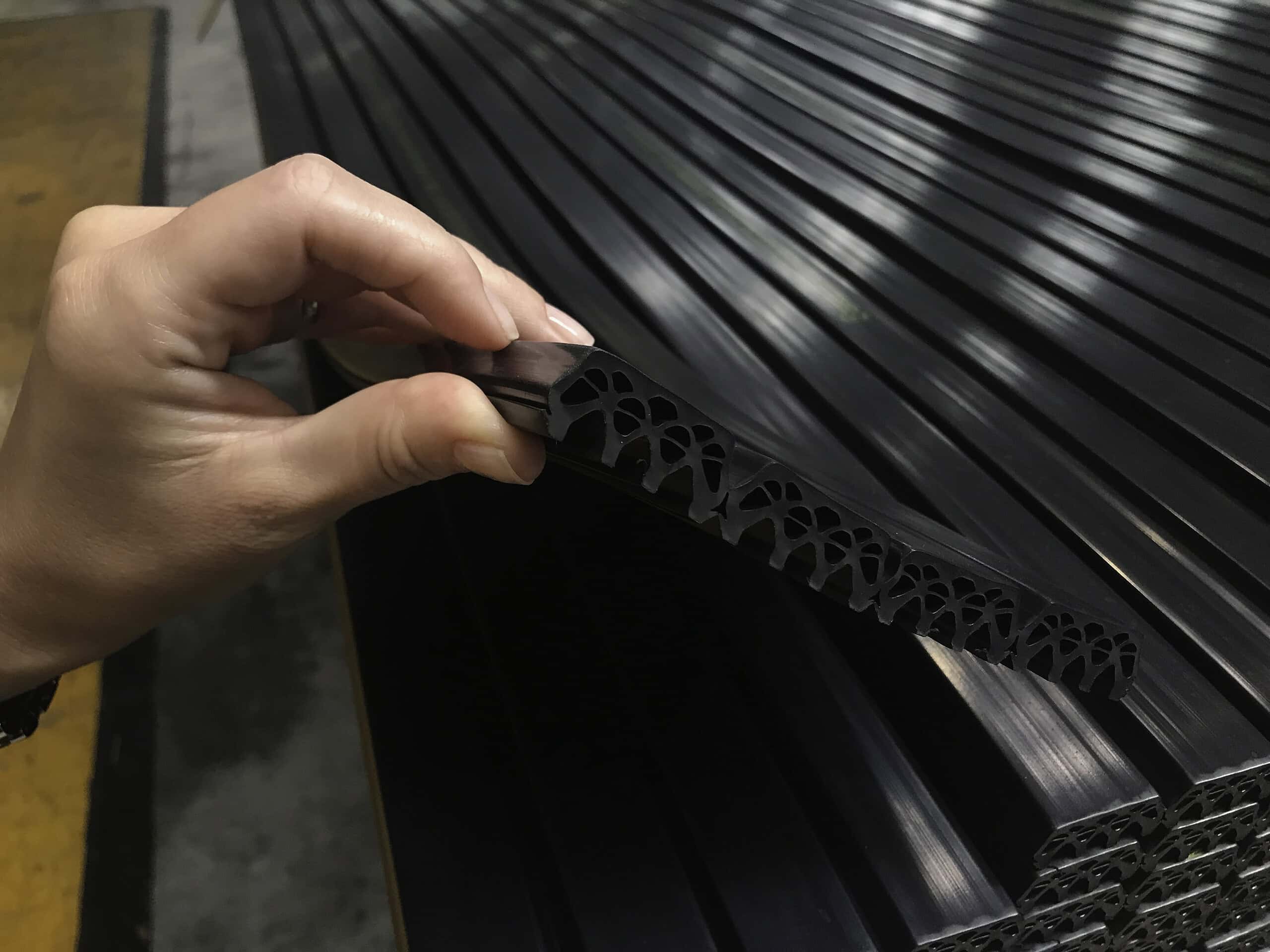
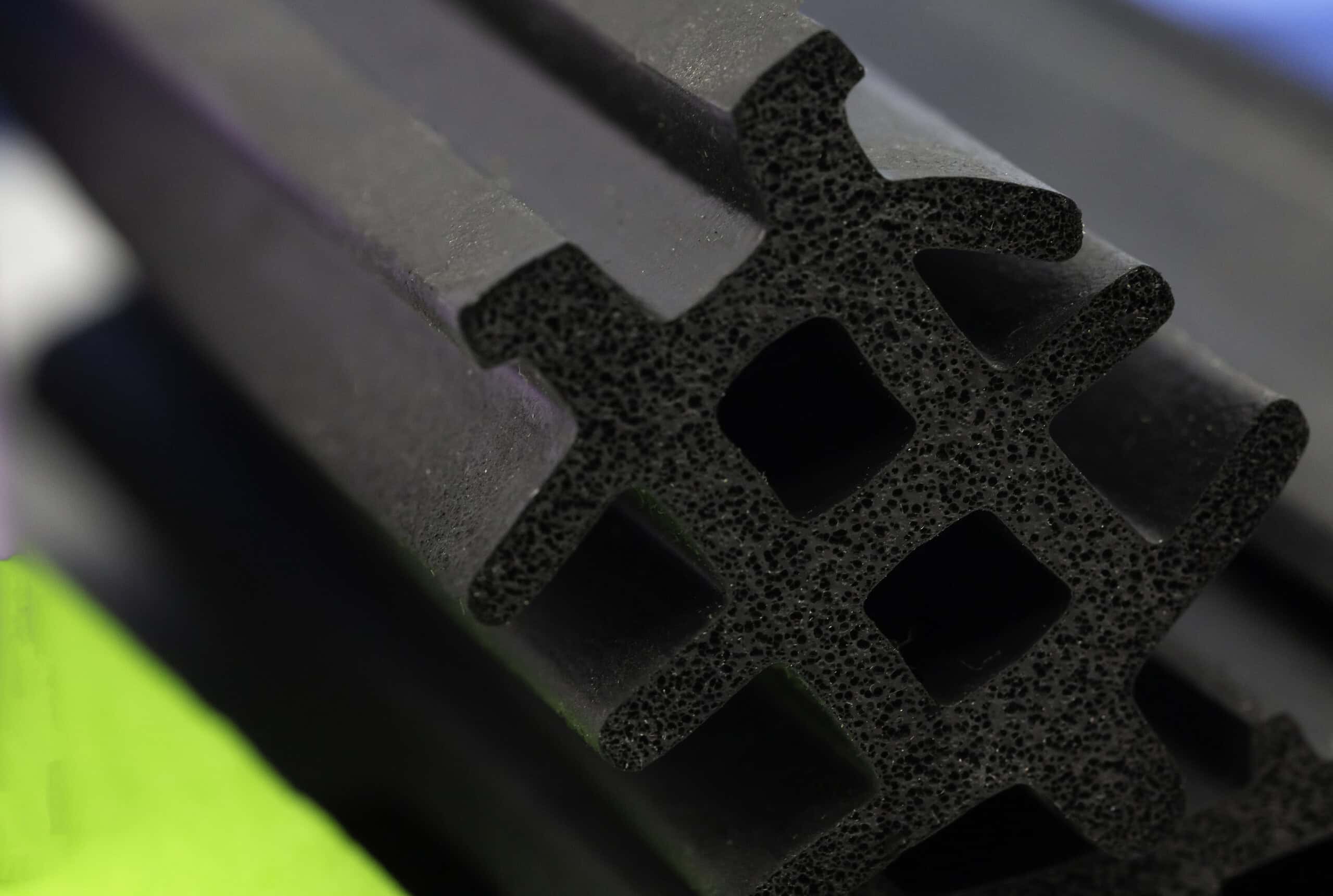
For more durable sealing solutions, products such as silicone rubber strips can be used in certain applications to improve sealing reliability.
Choosing the Right Gutter Seal Material
Selecting the correct material is essential for longevity.
Consider:
- Resistance to UV and weather exposure
- Flexibility to accommodate movement
- Compatibility with existing gutter systems
- Expected lifespan under local conditions
Silicone-based materials are often preferred due to their resistance to temperature changes and environmental degradation.
Preventing Future Gutter Seal Issues
Preventative maintenance reduces the likelihood of recurring problems.
Key preventative measures include:
- Regular inspections throughout the year
- Cleaning gutters before and after autumn
- Ensuring proper installation of joints
- Replacing worn seals promptly
A proactive approach helps maintain efficient drainage and protects the building structure.
FAQs
Q1: What does a gutter seal do?
A gutter seal prevents water from leaking through joints in a gutter system, ensuring proper drainage.
Q2: How long does a gutter seal last?
The lifespan varies depending on material and conditions, but regular maintenance can significantly extend its life.
Q3: Can a gutter seal be repaired instead of replaced?
Minor issues can sometimes be repaired, but heavily worn or damaged seals should be replaced.
Summary
A well-maintained gutter seal is essential for preventing leaks and protecting buildings from water damage. Regular inspection, cleaning and timely replacement ensure long-lasting performance.
For high-quality sealing materials and custom solutions, contact Silco Products today.
Phone: 01903 732088
Email: silcoproducts@gmail.com
Find out more: https://siliconerubberproducts.co.uk/
Find us
FURTHER READING